Skip to content

24/7 dementia helpline 800-272-3900

Dementia Today

Topic

Alzheimer's Disease

26 articlesPage 2 of 3

Alzheimer's Disease

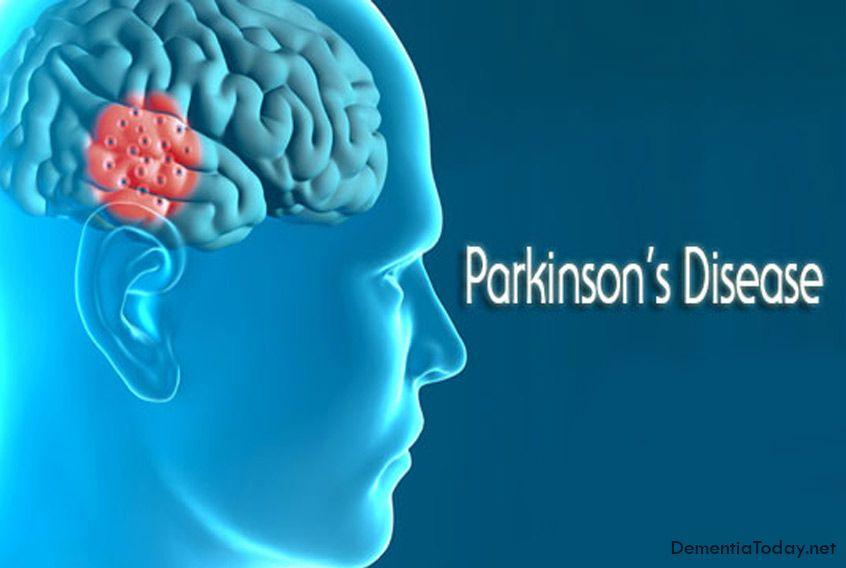
Getting to the root of Parkinson’s disease

Working with human neurons and fruit flies, researchers at Johns Hopkins have identified and then shut down a biological process that appears to trigger a particular form of Parkinson’s disease present in a large number of patients. A report on

4 min read
Team Unravels Central Mystery of Alzheimer’s
Aging & Dementia

Team Unravels Central Mystery of Alzheimer’s

Scientists at The Scripps Research Institute (TSRI) have shed light on one of the major toxic mechanisms of Alzheimer’s disease. The discoveries could lead to a much better understanding of the Alzheimer’s process and how to prevent it. The findings,

15 min read

Functional Imaging
Aging & Dementia

Functional Imaging

Functional imaging methods used in research on aging, mild cognitive impairment, and dementia of the Alzheimer type include single-photon emission computed tomography (SPECT), positron emission tomography (PET), and functional magnetic resonance imaging (fMRI). Positron emission tomography and single-photon emission computed

9 min read

Alzheimer's Disease

Are these disorders and diseases curable?

Are these disorders and diseases curable? Some are curable; some can’t be cured but can be treated; and others can’t be cured or treated. But even when no cure or treatment exists, there is much that can be done to

1 min read

Alzheimer's Disease

That’s some consolation. Is dementia common?

That’s some consolation. Is dementia common? Exact numbers are hard to come by. Losing a Million Minds, a 1987 government report, estimated between 2.5 million and 6.5 million people with dementia in the United States, but several factors indicate that

1 min read

Alzheimer's Disease

So is dementia a disease?

So is dementia a disease? Not really. Dementia is a syndromea collection of symptoms that occur together and are typical of a specific disorder or disease. In the case of dementia, those disorders and diseasesmore than 70 of them in

1 min read

Alzheimer's Disease

So what kind of symptoms are prominent?

So what kind of symptoms are prominent? Primarily cognitive (intellectual), emotional and behavioral ones. Alzheimer’s symptoms can include gradual memory loss, a decline in the ability to perform routine tasks, disorientation, difficulty learning, the loss of language skills, impairment of

1 min read

Alzheimer's Disease

What exactly causes death?

What exactly causes death? A variety of illnesses or complicationsfrom pneumonia or heart disease to dehydration or malnutritionmay be the immediate cause, but the underlying reason is Alzheimer’s disease.

1 min read

Worried about memory changes?

Normal aging, or an early warning sign?

Ten common changes, each set beside what is typical with age. Tick what you have noticed and see what to do next.

Open the 10-sign checklist

Getting help

Sudden changes are not just the dementia.

Dementia usually changes slowly. A sharp change over hours or days can mean an infection, delirium, a stroke or a medication problem, and needs a doctor the same day. Call 911 or your local emergency number if you see any of these:

  • Confusion that comes on suddenly, over hours or days
  • Face drooping, arm weakness or slurred speech
  • A fall, a head injury or new severe pain
  • Very drowsy or hard to wake

The free Alzheimer’s Association Helpline answers questions about memory loss, diagnosis and caregiving, day and night, in more than 200 languages (US).

If someone with dementia is missing

  1. STEP 115 minSearch close by firstCheck the house, garden, car and the places the person often walks to. Don’t spend longer than about 15 minutes.
  2. STEP 2911Then call for helpTell the operator the person has dementia and is a vulnerable adult. Police treat this as urgent.
  3. STEP 3PhotoHave details readyA recent photo, what they were wearing, medical conditions and places they used to live or work.

Based on Alzheimer’s Association guidance on wandering. Outside the US, call your local emergency number.