
Most recent
GLP-1 Medications May Lower Dementia Risk, Research Shows
This side effect has made them popular in the treatment of obesity as well. Learn more at Dementia Today.
8 min read
Questions about memory loss or caregiving? Free 24/7 Helpline: 800-272-390024/7 dementia helpline 800-272-3900
Topic
58 articles
Most recent
This side effect has made them popular in the treatment of obesity as well. Learn more at Dementia Today.
8 min read
The pharmaceutical industry has been as affected as any other industry by the Covid-19 pandemic; most countries’ sites have put clinical trial studies on hold, due to the inability to have dosing and in-person clinic visits for treatment and prevention
5 min read
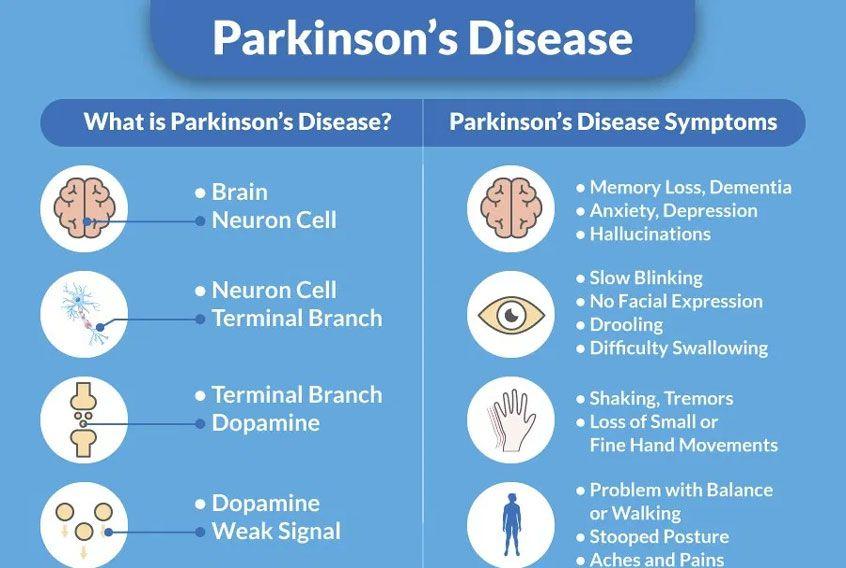
Parkinson’s dementia is a condition that some people can experience as their Parkinson’s progresses. It a ects thinking and memory and can have a big impact on di erent aspects of life. This information sheet looks at the symptoms and
13 min read
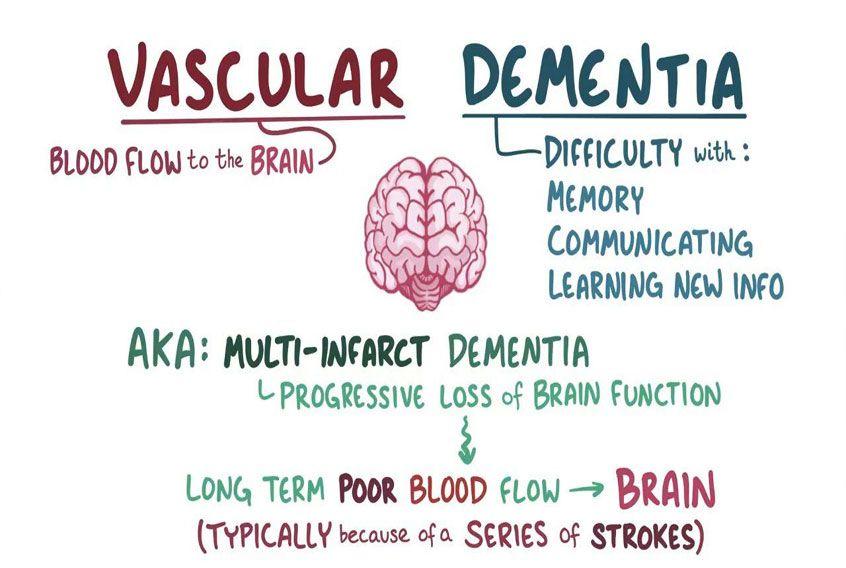
Vascular dementia is one of the most common forms of dementia, ranking only second to Alzheimer’s disease. Vascular dementia is caused by chronic, reduced blood flow to the brain-usually as the result of a stroke or series of strokes. In
14 min read
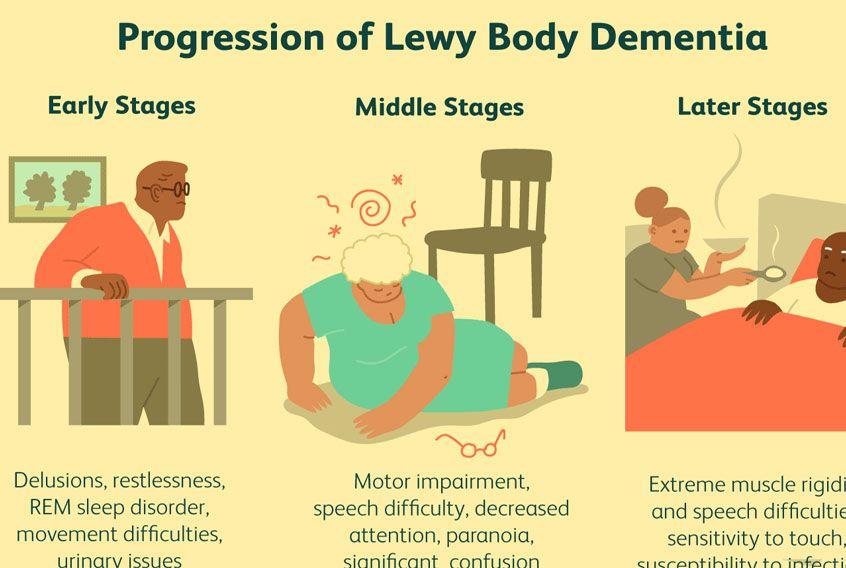
Definition Lewy body dementia, the second most common type of progressive dementia after Alzheimer’s disease, causes a progressive decline in mental abilities. It may also cause visual hallucinations, which may take the form of seeing shapes, colors, people or animals
13 min read

Drugs used to treat diabetes could also be used to treat Alzheimer’s disease, and vice versa, according to new research from the University of Aberdeen. This is also the first study of its kind to show that Alzheimer’s disease can
3 min read
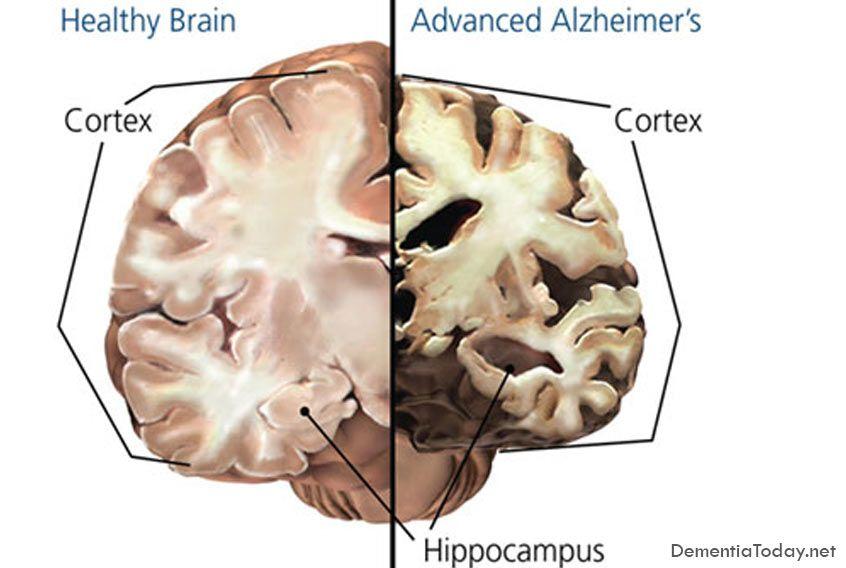
A multicenter study led by Christian Haass and Michael Ewers of Ludwig-Maximilians-Universitaet (LMU) in Munich has identified a biomarker associated with the activation of an innate immune response to neural damage during early stages of Alzheimer’s disease. Alzheimer’s disease results
4 min read

During rehabilitation following an acute hospital stay, medications that block neurotransmitters may be overprescribed to older patients suffering from delirium superimposed on dementia, according to health researchers. Specifically, strong anticholinergic medications may be prescribed to older adults when there are
3 min read

New research from North Carolina State University finds that mental health courts are effective at reducing repeat offending, and limiting related jail time, for people with mental health problems – especially those who also have substance use problems. “Previous research
3 min read
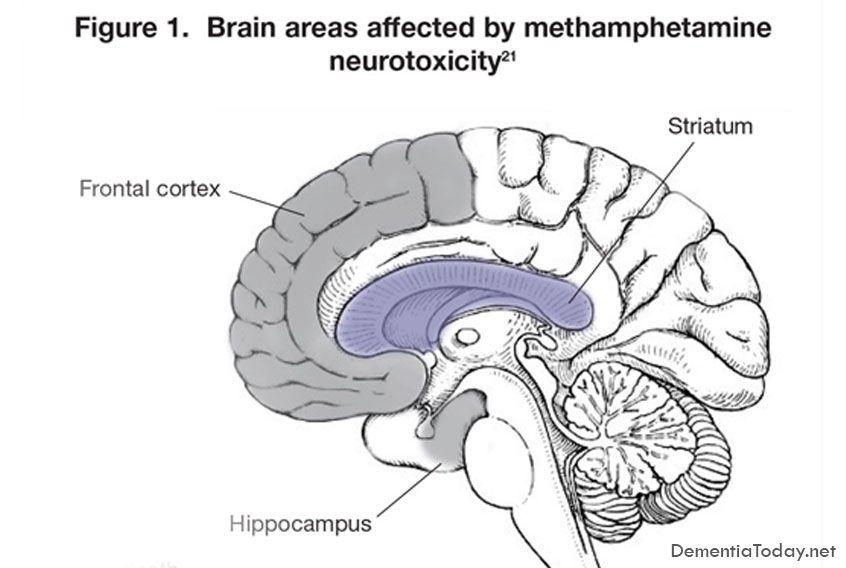
A new detailed map of the hippocampal region of the brain, compiled by researchers at the Montreal Neurological Institute and Hospital-The Neuro at McGill University, is helping the scientific community accelerate research and develop better treatments for patients suffering from
4 min read
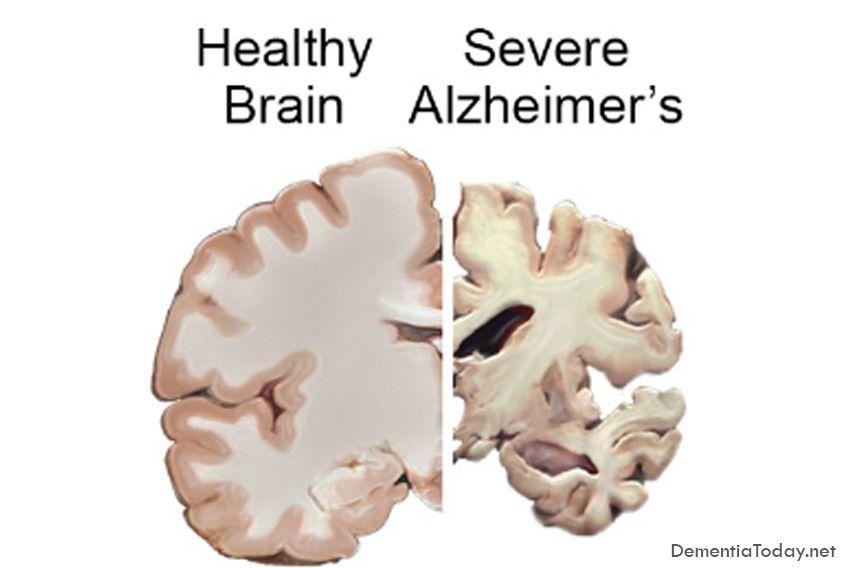
Scientists have identified a network of nine genes that play a key role in the onset of Alzheimer’s Disease. The finding could help scientists develop new treatments to delay the onset of the disease, said lead researcher Associate Professor Mauricio
2 min read
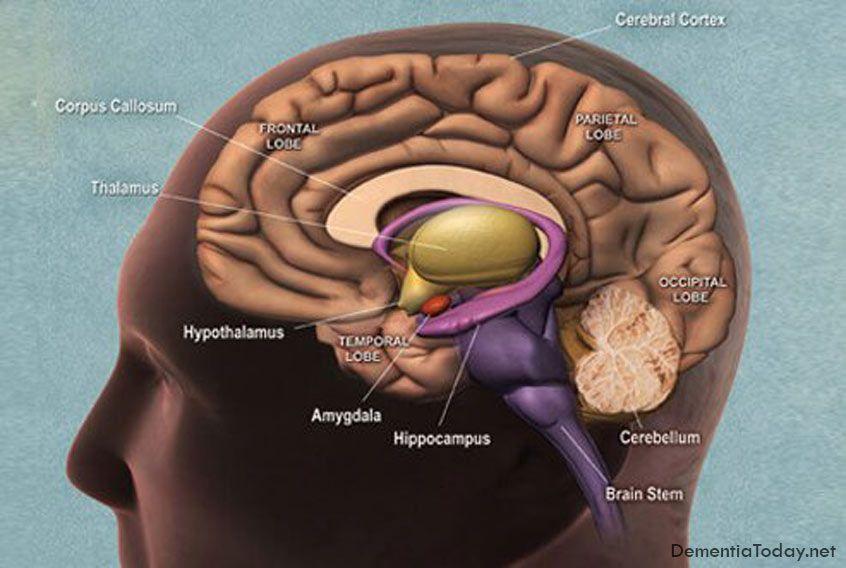
Older adults that improved their fitness through a moderate intensity exercise program increased the thickness of their brain’s cortex, the outer layer of the brain that typically atrophies with Alzheimer’s disease, according to a new study from the University of
3 min read
Worried about memory changes?
Normal aging, or an early warning sign?
Ten common changes, each set beside what is typical with age. Tick what you have noticed and see what to do next.
Getting help
Dementia usually changes slowly. A sharp change over hours or days can mean an infection, delirium, a stroke or a medication problem, and needs a doctor the same day. Call 911 or your local emergency number if you see any of these:
The free Alzheimer’s Association Helpline answers questions about memory loss, diagnosis and caregiving, day and night, in more than 200 languages (US).
If someone with dementia is missing
Based on Alzheimer’s Association guidance on wandering. Outside the US, call your local emergency number.