
Most recent
GLP-1 Medications May Lower Dementia Risk, Research Shows
This side effect has made them popular in the treatment of obesity as well. Learn more at Dementia Today.
8 min read
Questions about memory loss or caregiving? Free 24/7 Helpline: 800-272-390024/7 dementia helpline 800-272-3900
Topic
17 articles
Most recent
This side effect has made them popular in the treatment of obesity as well. Learn more at Dementia Today.
8 min read

During the coronavirus pandemic we have advice and practical tips for people living with dementia and those supporting them – either in the same household or from a distance. We will update this information regularly, including details about how Alzheimer’s
3 min read
Demonstrating how to wash your hands for a loved one with Alzheimer’s disease can help ensure they practice safe hygiene. The Alzheimer’s Association recommends planning for other caregivers to step up in case you become ill with COVID-19. Talk to
10 min read
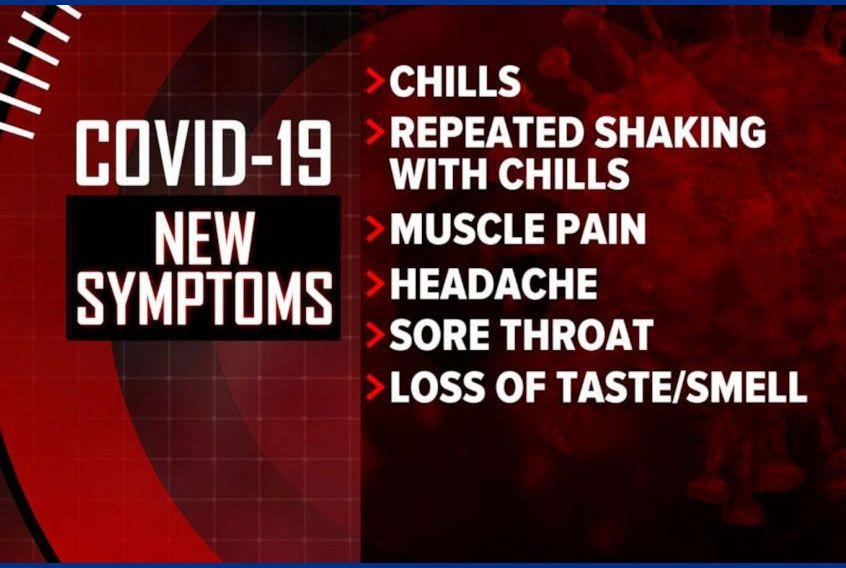
With the COVID-19 pandemic at the forefront of daily life, how much information should you share with a loved one who has Alzheimer’s disease, dementia or mild cognitive impairment? And how do you explain the necessary precautions and social distancing
5 min read
Most likely, dementia does not increase risk for COVID-19, the respiratory illness caused by the new coronavirus, just like dementia does not increase risk for flu. However, dementia-related behaviors, increased age and common health conditions that often accompany dementia may
8 min read
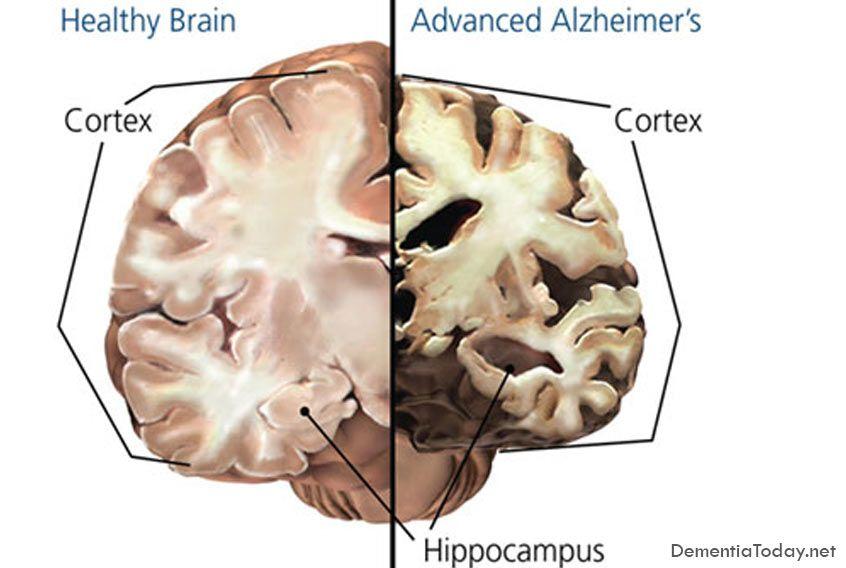
A multicenter study led by Christian Haass and Michael Ewers of Ludwig-Maximilians-Universitaet (LMU) in Munich has identified a biomarker associated with the activation of an innate immune response to neural damage during early stages of Alzheimer’s disease. Alzheimer’s disease results
4 min read

During rehabilitation following an acute hospital stay, medications that block neurotransmitters may be overprescribed to older patients suffering from delirium superimposed on dementia, according to health researchers. Specifically, strong anticholinergic medications may be prescribed to older adults when there are
3 min read
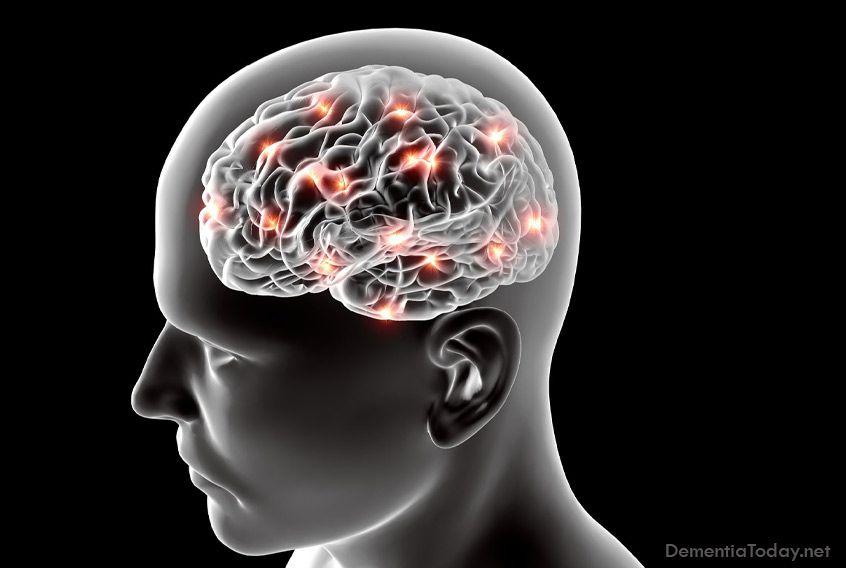
Two genetic variants previously linked to Alzheimer’s disease have been more specifically tied to brain atrophy that is characteristic of the disease. A newly reported study, led by Liana Apostolova, M.D., Barbara and Peer Baekgaard Professor of Alzheimer’s Disease Research
3 min read

New research from North Carolina State University finds that mental health courts are effective at reducing repeat offending, and limiting related jail time, for people with mental health problems – especially those who also have substance use problems. “Previous research
3 min read
Describing his recently published research, Dr. Martin Hirsch – from Queen Mary, University of London – said: “We have known since the time of Florence Nightingale that music has a positive impact on patients during surgery, by making them feel
5 min read
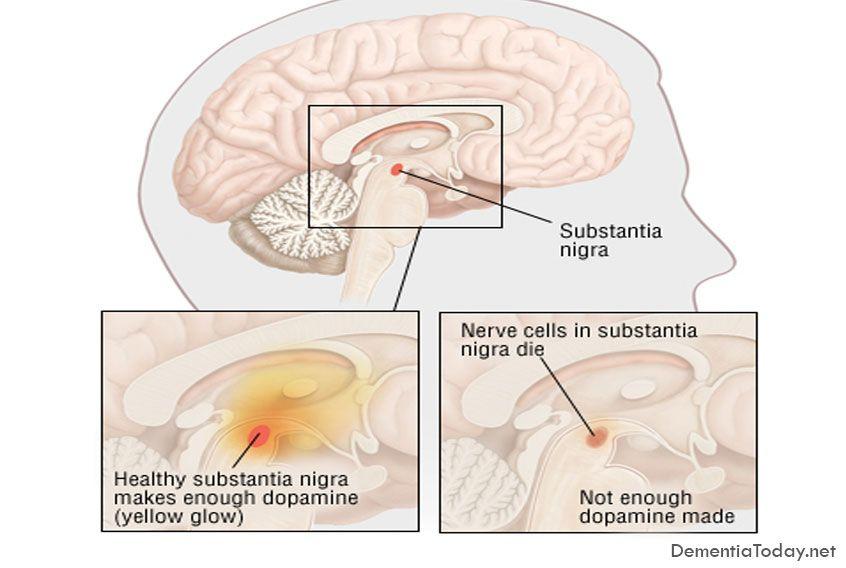
Scientists from the Florida campus of The Scripps Research Institute (TSRI) have found how a widely known but little-studied enzyme protects brain cells in models of Parkinson’s disease. These findings could provide valuable insight into the development of drug candidates
2 min read
A device that measures movement and balance can effectively help assess and track the progression of Parkinson’s disease, even when medications are used to reduce Parkinson’s symptoms, UT Southwestern Medical Center research found. Researchers found that the APDM Mobility Lab
4 min read
Worried about memory changes?
Normal aging, or an early warning sign?
Ten common changes, each set beside what is typical with age. Tick what you have noticed and see what to do next.
Getting help
Dementia usually changes slowly. A sharp change over hours or days can mean an infection, delirium, a stroke or a medication problem, and needs a doctor the same day. Call 911 or your local emergency number if you see any of these:
The free Alzheimer’s Association Helpline answers questions about memory loss, diagnosis and caregiving, day and night, in more than 200 languages (US).
If someone with dementia is missing
Based on Alzheimer’s Association guidance on wandering. Outside the US, call your local emergency number.