Dementia Today
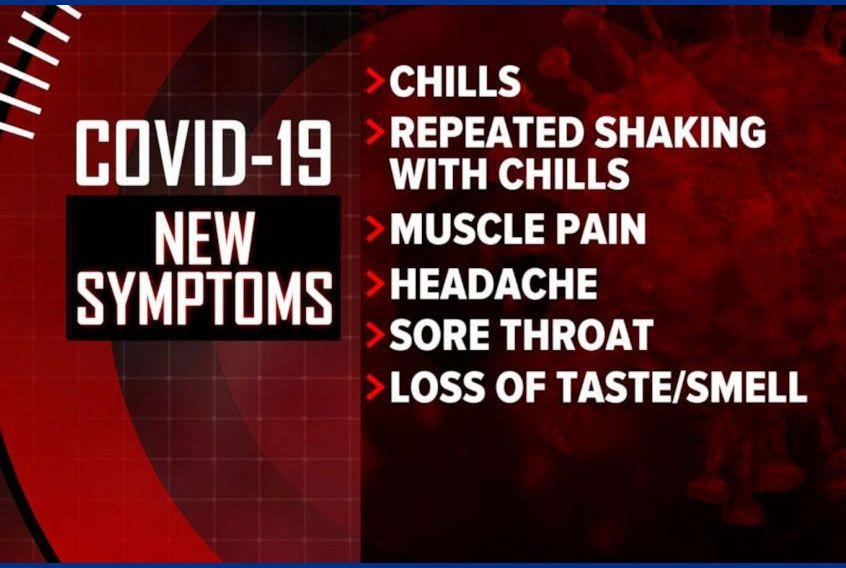
With the COVID-19 pandemic at the forefront of daily life, how much information should you share with a loved one who has Alzheimer’s disease, dementia or mild cognitive impairment? And how do you explain the necessary precautions and social distancing requirements?
Dr. Joseph Sirven, a Mayo Clinic neurologist, says it depends on the person’s exact condition.
“If someone is processing relatively well ― they have, perhaps, mild cognitive impairment, and are able to have good conversations and partake in the world ― there’s no problem with having just a general discussion about everything and reminding them about what they need to do, such as washing their hands and everything that comes with good infection control,” says Dr. Sirven.
For people who have dementia or more severe issues, such as Alzheimer’s disease, and may not be able to process information, it’s best to avoid discussions about COVID-19.
Since social distancing and isolation rules may make it more challenging to be with loved ones, Dr. Beth Rush, a Mayo Clinic neuropsychologist, says they may be agitated or anxious.
“It’s important to validate their feelings and then offer a suggestion,” Dr. Rush says. “For instance, you might say: ‘I’m sorry I can’t visit today and I know that’s disappointing. But what if we set up a daily call at 8 a.m. to chat over coffee?'”
Also, since behavioral outbursts are common in patients with neurodegenerative disorders, now would be the time to develop a plan regarding extra support or when to call 911.
“These patients can become confused or become very anxious or very nervous with any change in the home environment,” says Dr. Sirven. “So it’s important to keep the environment calm and have a plan regarding potential mediations or strategies to help alleviate things should the patient or situation become too difficult to manage.”
Dr. Rush adds that caregivers should be honest with how they are feeling and not hesitate to ask for help if they feel overwhelmed.
“Caregiving can be a difficult task on a normal day. At a time when people are experiencing heightened stress and anxiety as well as loss of normalcy, it’s important to do a personal check-in with yourself and acknowledge what you need to be at your best for your loved one. That may mean grabbing a snack, journaling, going for a walk, even taking a nap,” she says.
_______________________________________________
Check the CDC website for additional updates on COVID-19. For more information and all your COVID-19 coverage, go to the Mayo Clinic News Network and mayoclinic.org.
#
- By Cynthia Weiss
adana escort
adıyaman escort
afyon escort
ağrı escort
aksaray escort
amasya escort
ankara escort
antalya escort
ardahan escort
artvin escort
aydın escort
balıkesir escort
bartın escort
batman escort
bayburt escort
bilecik escort
bingöl escort
bitlis escort
bolu escort
burdur escort
bursa escort
çanakkale escort
çankırı escort
çorum escort
denizli escort
diyarbakır escort
düzce escort
edirne escort
elazığ escort
erzincan escort
erzurum escort
eskişehir escort
gaziantep escort
gebze escort
giresun escort
gümüşhane escort
hakkari escort
hatay escort
ığdır escort
ısparta escort
istanbul escort
izmir escort
izmit escort
kahramanmaraş escort
karabük escort
karaman escort
kars escort
kastamonu escort
kayseri escort
kilis escort
kırıkkale escort
kırklareli escort
kırşehir escort
kocaeli escort
konya escort
kütahya escort
malatya escort
manisa escort
mardin escort
mersin escort
muğla escort
muş escort
nevşehir escort
niğde escort
ordu escort
osmaniye escort
rize escort
sakarya escort
samsun escort
şanlıurfa escort
siirt escort
sinop escort
şırnak escort
sivas escort
tekirdağ escort
tokat escort
trabzon escort
tunceli escort
uşak escort
van escort
yalova escort
yozgat escort
zonguldak escort
marmaris escort
bodrum escort
alanya escort
side escort
konyaaltı escort
muratpaşa escort
manavgat escort
çeşme escort
sincan escort
çankaya escort
keçiören escort
mamak escort
etimesgut escort
buca escort
konak escort
karabağlar escort
bornova escort
karşıyaka escort
bayraklı escort
alsancak escort
ataşehir escort
pendik escort
maltepe escort
kartal escort
kadıköy escort
görükle escort
atakum escort
ayvalık escort
deutsche escort
berlin escort
düsseldorf escort
hamburg escort
münchen escort
stuttgart escort
berlin escort
düsseldorf escort
hamburg escort
münchen escort
stuttgart escort
deutsche escort
köln escort
ataşehir escort
avcılar escort
bağcılar escort
bahçelievler escort
bakırköy escort
başakşehir escort
bayrampaşa escort
bebek escort
beşiktaş escort
beykoz escort
beylikdüzü escort
beyoğlu escort
çatalca escort
çekmeköy escort
esenler escort
esenyut escort
fatih escort
gaziosmanpaşa escort
güngören escort
kadıköy escort
kağıthane escort
kartal escort
küçükcekmece escort
maltepe escort
pendik escort
sancaktepe escort
sarıyer escort
şile escort
silivri escort
şişli escort
sultanbeyli escort
sultangazi escort
taksim escort
tuzla escort
ümraniye escort
üsküdar escort
zeytinburnu escort
manavgat escort