
Today’s story
FDA Approves Dexmedetomidine Sublingual Film for agitation in schizophrenia and bipolar disorder
Understanding Dementia
Questions about memory loss or caregiving? Free 24/7 Helpline: 800-272-390024/7 dementia helpline 800-272-3900
540 articles for families, caregivers and patients
Memory changes.
You don’t face them alone.
Clear, independent information on Alzheimer’s disease and other dementias: the early signs, getting a diagnosis, treatment, day-to-day care and the latest research.
Today’s story
Understanding Dementia
Start where you are
Just published
Dementia News
Dementia News

Dementia News

Dementia News

Dementia News

Dementia News
Dementia News
Dementia News
10 early warning signs
Everyone forgets things. Open each sign to compare it with what is typical with age, and tick the changes you have noticed.
Possible warning signForgetting recent events or important dates, asking the same question again and again, relying more and more on notes or family.
Typical with ageSometimes forgetting a name or an appointment, then remembering it later.
A guide to
Dementia is not one disease. It is a word for symptoms caused by many different conditions, and each one needs its own approach.

A study from researchers at Columbia University Vagelos College of Physicians and Surgeons reports that the brains of a small sample of patients who died of COVID display some of the same molecular changes found in the brains of people
7 min read
Alzheimer’s disease (AD) is the seventh leading cause of all deaths in the United States and is virtually tied with the sixth leading cause of death – diabetes. AD is the fifth leading cause of death in Americans aged 65
26 min read
Drugs used to treat diabetes could also be used to treat Alzheimer’s disease, and vice versa, according to new research from the University of Aberdeen. This is also the first study of its kind to show that Alzheimer’s disease can
3 min read
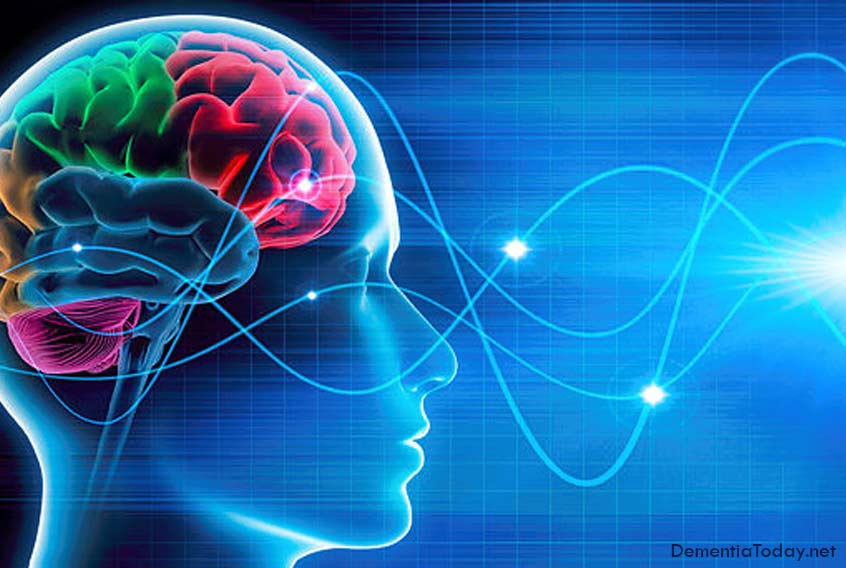
Much of the research on Alzheimer’s disease has focused on the amyloid beta protein, which clumps together into sticky fibrils that form deposits in the brains of people with the disease. In recent years, attention has turned away from the
3 min read
For caregivers
This side effect has made them popular in the treatment of obesity as well. Learn more at Dementia Today.
May 14, 2020
May 14, 2020
May 14, 2020
May 14, 2020
Mar 3, 2016
Looking after yourself
Need to talk? The Alzheimer’s Association Helpline is free, 24/7: 800-272-3900
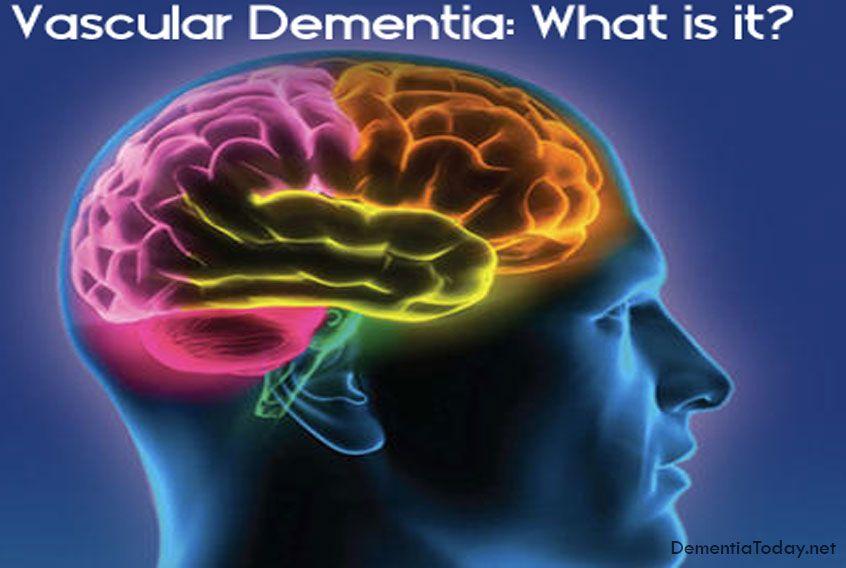
The pharmaceutical industry has been as affected as any other industry by the Covid-19 pandemic; most countries’ sites have put clinical trial studies on hold, due to the inability to have dosing and in-person clinic visits for treatment and prevention
5 min read
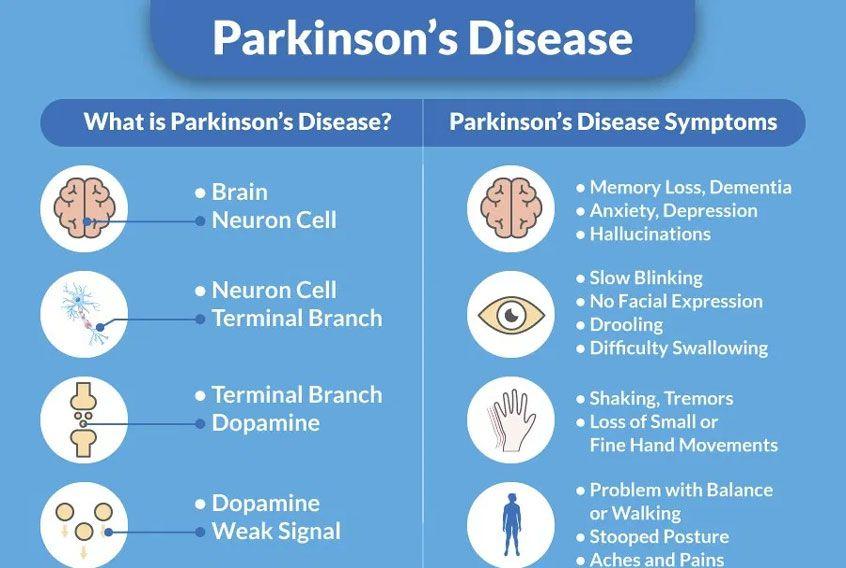
Parkinson’s dementia is a condition that some people can experience as their Parkinson’s progresses. It a ects thinking and memory and can have a big impact on di erent aspects of life. This information sheet looks at the symptoms and
13 min read
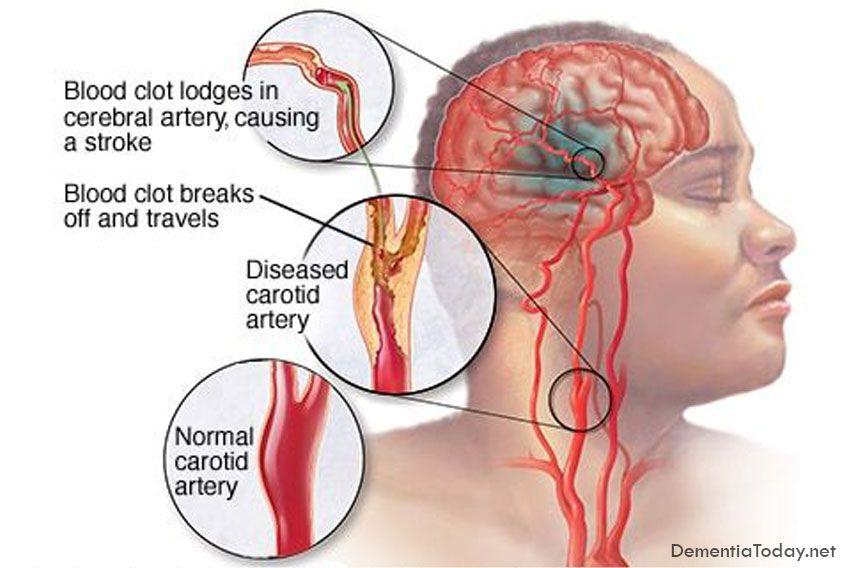
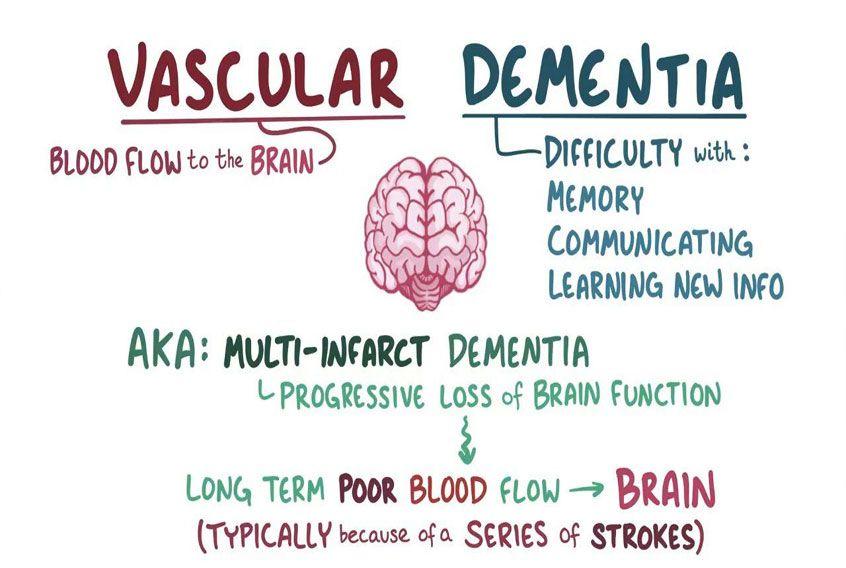
Vascular dementia is one of the most common forms of dementia, ranking only second to Alzheimer’s disease. Vascular dementia is caused by chronic, reduced blood flow to the brain-usually as the result of a stroke or series of strokes. In
14 min read
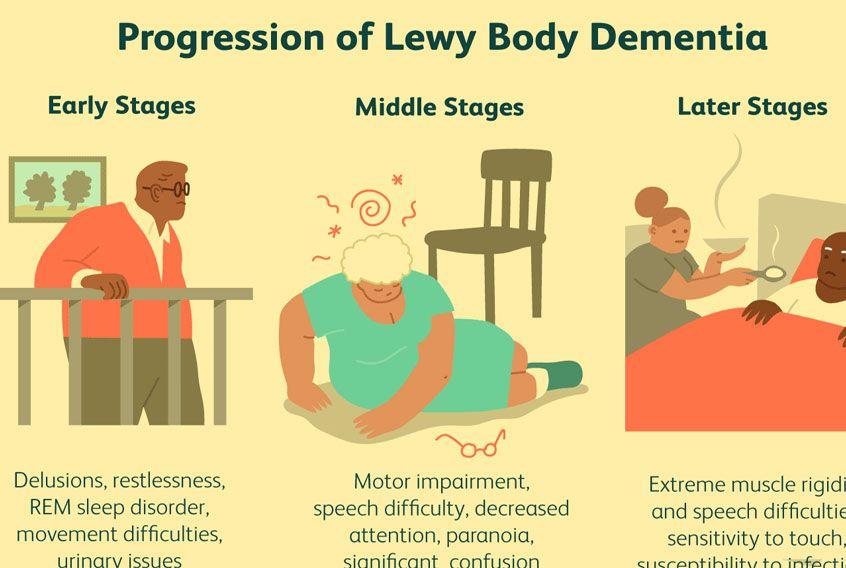
Definition Lewy body dementia, the second most common type of progressive dementia after Alzheimer’s disease, causes a progressive decline in mental abilities. It may also cause visual hallucinations, which may take the form of seeing shapes, colors, people or animals
13 min read
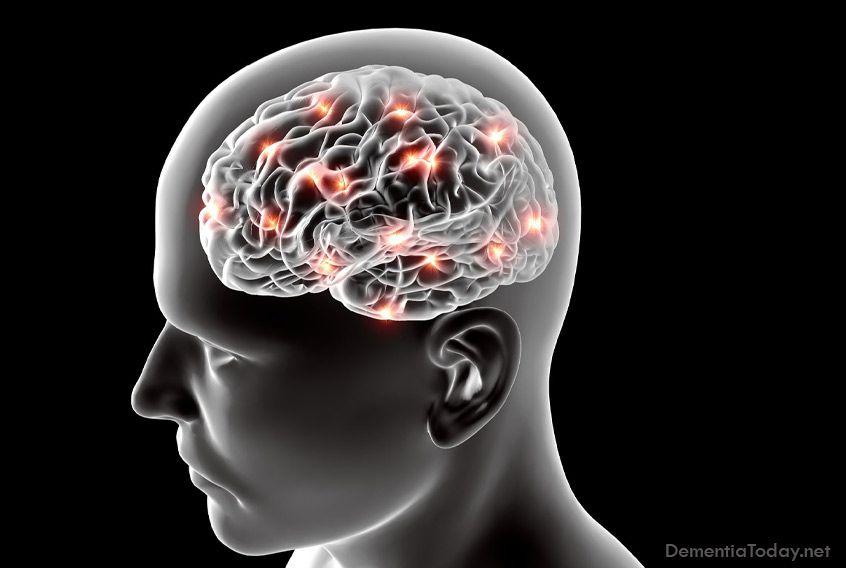
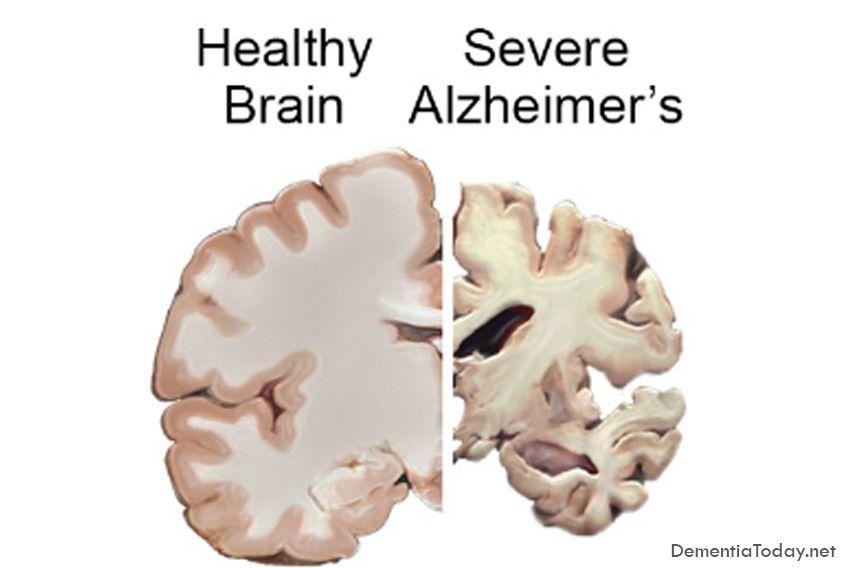
Two genetic variants previously linked to Alzheimer’s disease have been more specifically tied to brain atrophy that is characteristic of the disease. A newly reported study, led by Liana Apostolova, M.D., Barbara and Peer Baekgaard Professor of Alzheimer’s Disease Research
3 min read
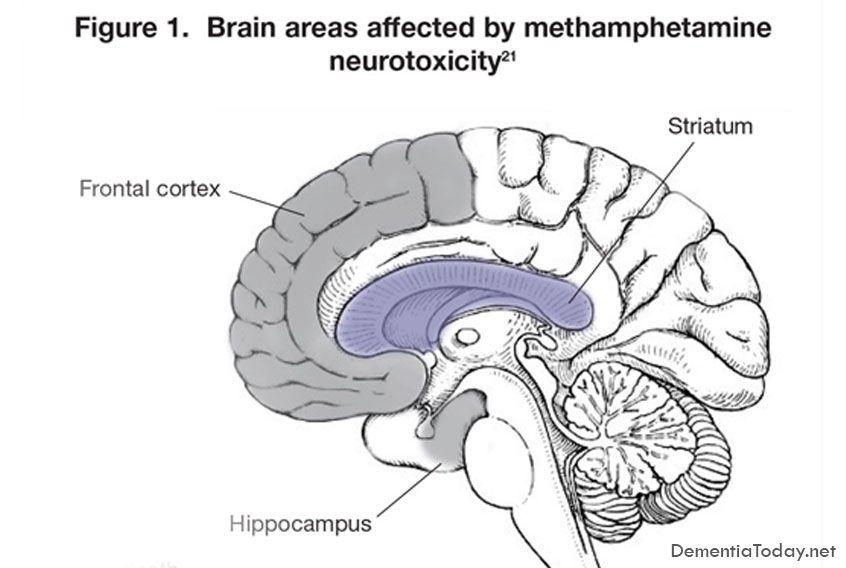
A new detailed map of the hippocampal region of the brain, compiled by researchers at the Montreal Neurological Institute and Hospital-The Neuro at McGill University, is helping the scientific community accelerate research and develop better treatments for patients suffering from
4 min read
Scientists have identified a network of nine genes that play a key role in the onset of Alzheimer’s Disease. The finding could help scientists develop new treatments to delay the onset of the disease, said lead researcher Associate Professor Mauricio
2 min read
University of Florida Health researchers have made a new discovery about Huntington’s disease, showing that the gene that causes the fatal disorder makes an unexpected “cocktail” of mutant proteins that accumulate in the brain. The findings are significant because these
5 min read
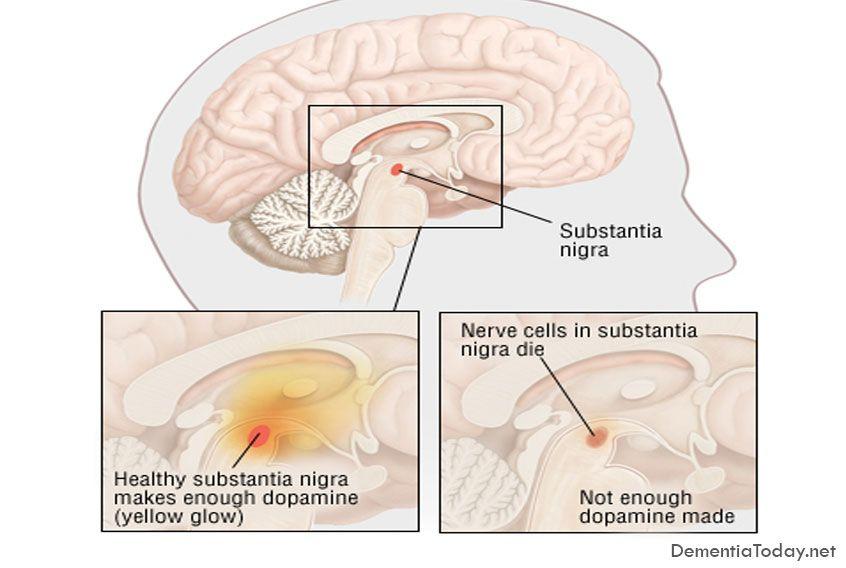
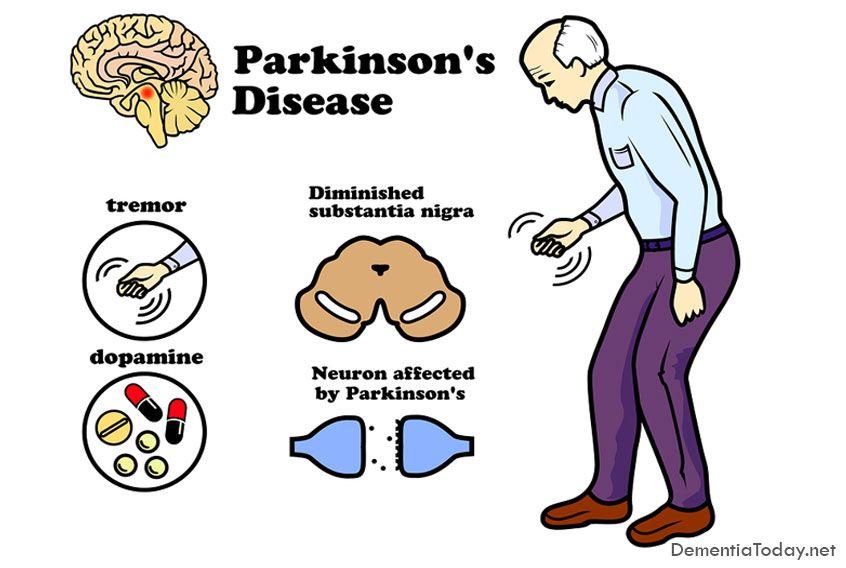
The progressive loss of neurons in the brain of Parkinson’s patients is slow yet inexorable. So far, there are no drugs that can halt this insidious process. Researchers at the Luxembourg Centre for Systems Biomedicine (LCSB) of the University of
4 min read
Scientists from the Florida campus of The Scripps Research Institute (TSRI) have found how a widely known but little-studied enzyme protects brain cells in models of Parkinson’s disease. These findings could provide valuable insight into the development of drug candidates
2 min read
UC San Francisco scientists have discovered a possible mechanism for how deep-brain stimulation (DBS), a widely used treatment for movement disorders, exerts its therapeutic effects. Few medical treatments show results as rapid and dramatic as those seen with DBS, in
6 min read
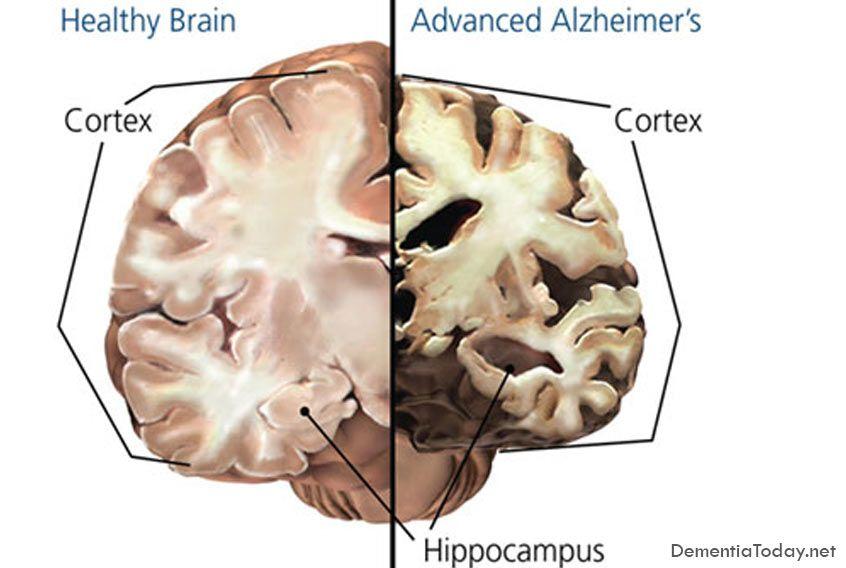
A device that measures movement and balance can effectively help assess and track the progression of Parkinson’s disease, even when medications are used to reduce Parkinson’s symptoms, UT Southwestern Medical Center research found. Researchers found that the APDM Mobility Lab
4 min read

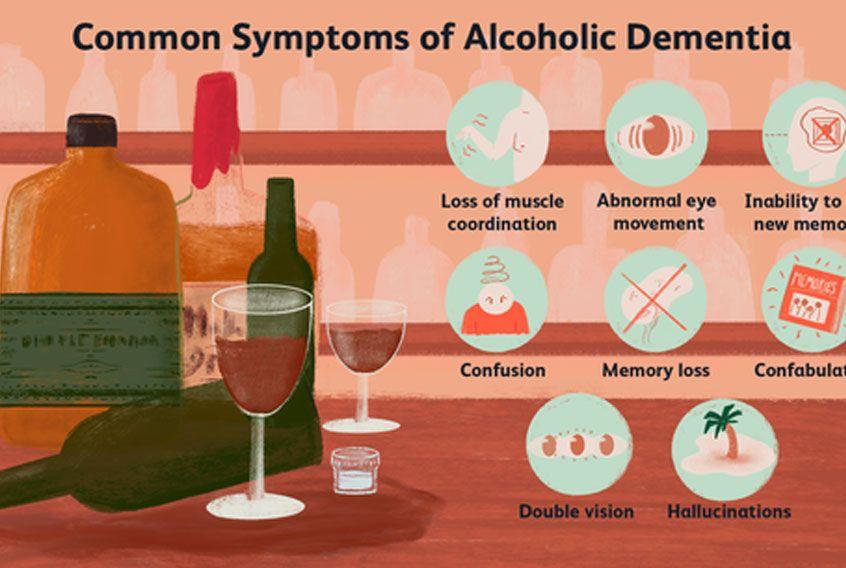
Korsakoff syndrome is a chronic memory disorder caused by severe deficiency of thiamine (vitamin B-1). Korsakoff syndrome is most commonly caused by alcohol misuse, but certain other conditions also can cause the syndrome. About Korsakoff Syndrome Thiamine (vitamin B-1) helps
10 min read
Wernicke encephalopathy is a medical emergency. Prompt recognition of the symptom complex and a high index of suspicion are crucial to ensure early treatment. Parenteral thiamine (100 mg) is the treatment of choice. Early treatment can rapidly reverse the ophthalmoplegia
4 min read

Wernicke-Korsakoff syndrome, if it is not caught and properly diagnosed, will only do one thing; it will get much worse. It can reach a point where the damages that it has caused cannot be reversed, and in some cases, it
11 min read

Wernicke-Korsakoff syndrome is a brain disorder caused by lack of thiamine (vitamin B1) that may result in lasting brain damage. Without treatment, Wernicke-Korsakoff syndrome gets progressively worse and eventually can be life-threatening. Prompt diagnosis and treatment often effectively eliminates the
4 min read
Start here
Longer reference pages that explain the basics. A good place to begin after a diagnosis.

Understanding the support systems available can make a big difference. Learn more at Dementia Today.
8 min read
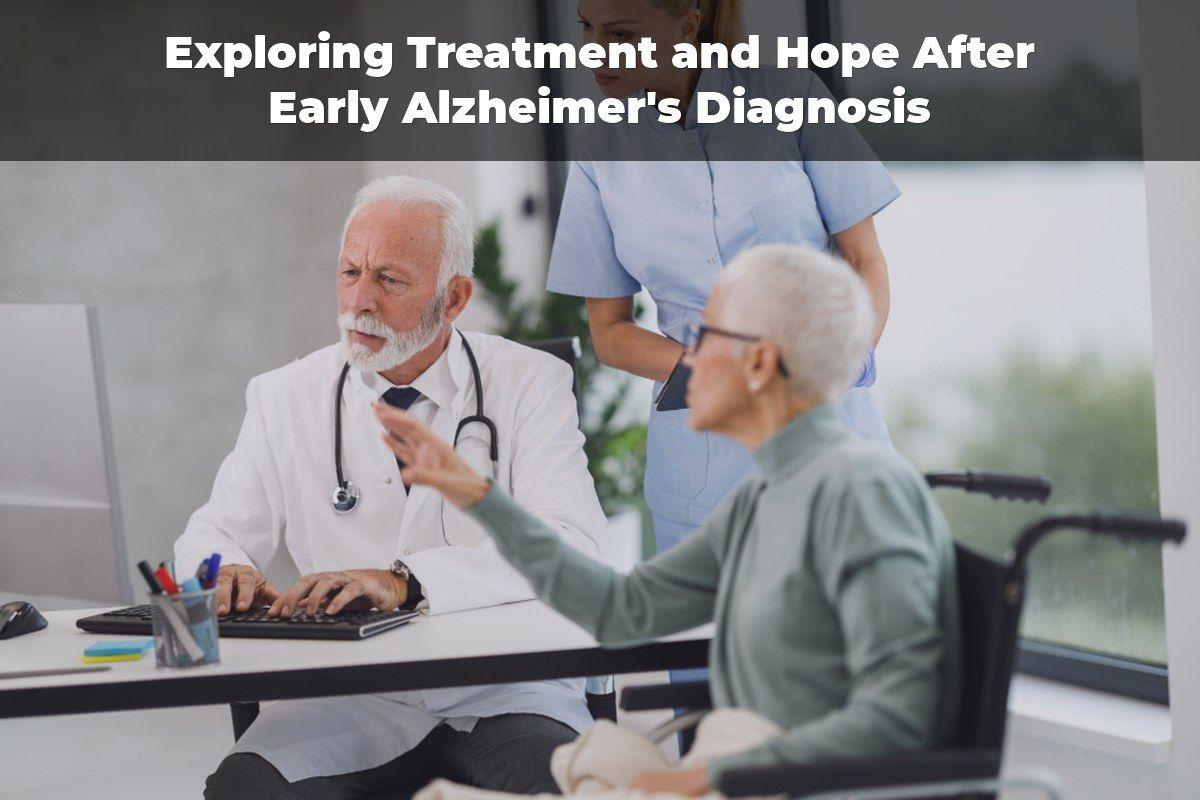
Understanding the disease and what to expect can help ease some of these feelings. Learn more at Dementia Today.
9 min read
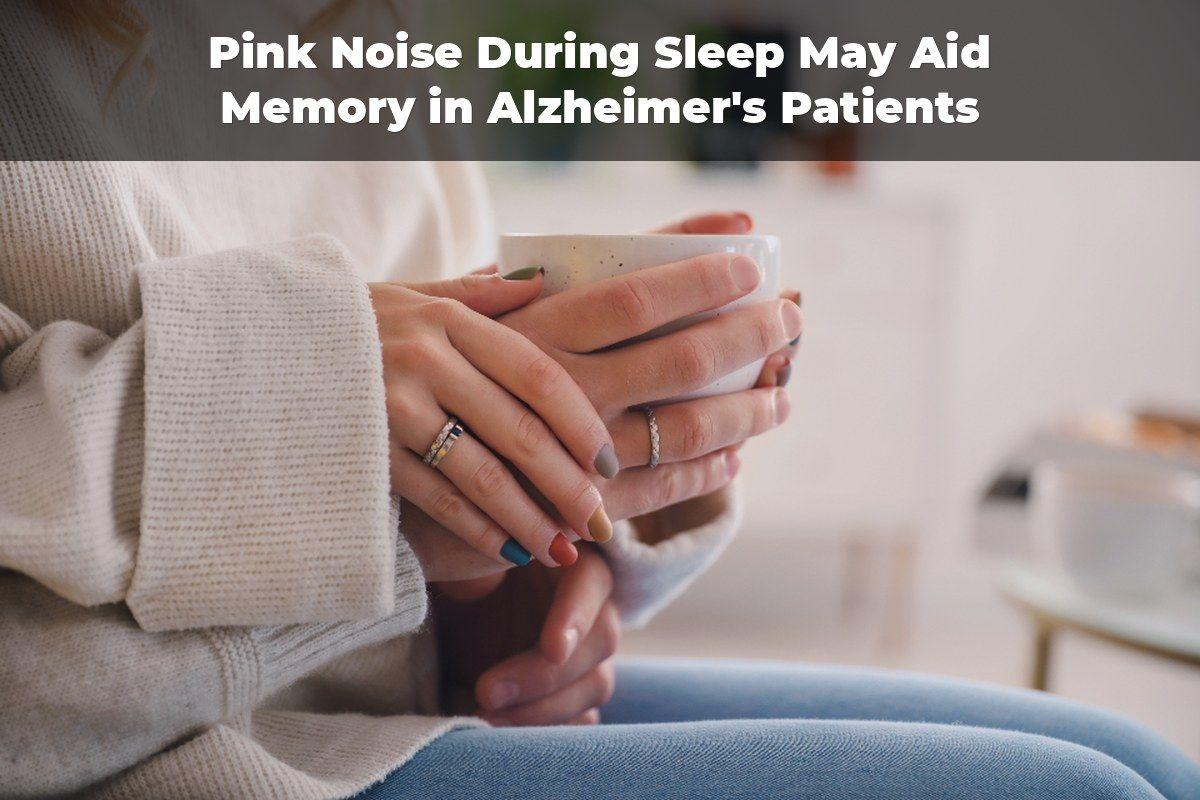
This gives it a more balanced and soothing sound, often compared to the sound of a gentle waterfall or rustling leaves. Learn more at Dementia Today.
7 min read
Worried about memory changes?
Normal aging, or an early warning sign?
Ten common changes, each set beside what is typical with age. Tick what you have noticed and see what to do next.
Getting help
Dementia usually changes slowly. A sharp change over hours or days can mean an infection, delirium, a stroke or a medication problem, and needs a doctor the same day. Call 911 or your local emergency number if you see any of these:
The free Alzheimer’s Association Helpline answers questions about memory loss, diagnosis and caregiving, day and night, in more than 200 languages (US).
If someone with dementia is missing
Based on Alzheimer’s Association guidance on wandering. Outside the US, call your local emergency number.