 Alexander Boretsky, DO
How Is Walking Speed Linked to Dementia Risk?
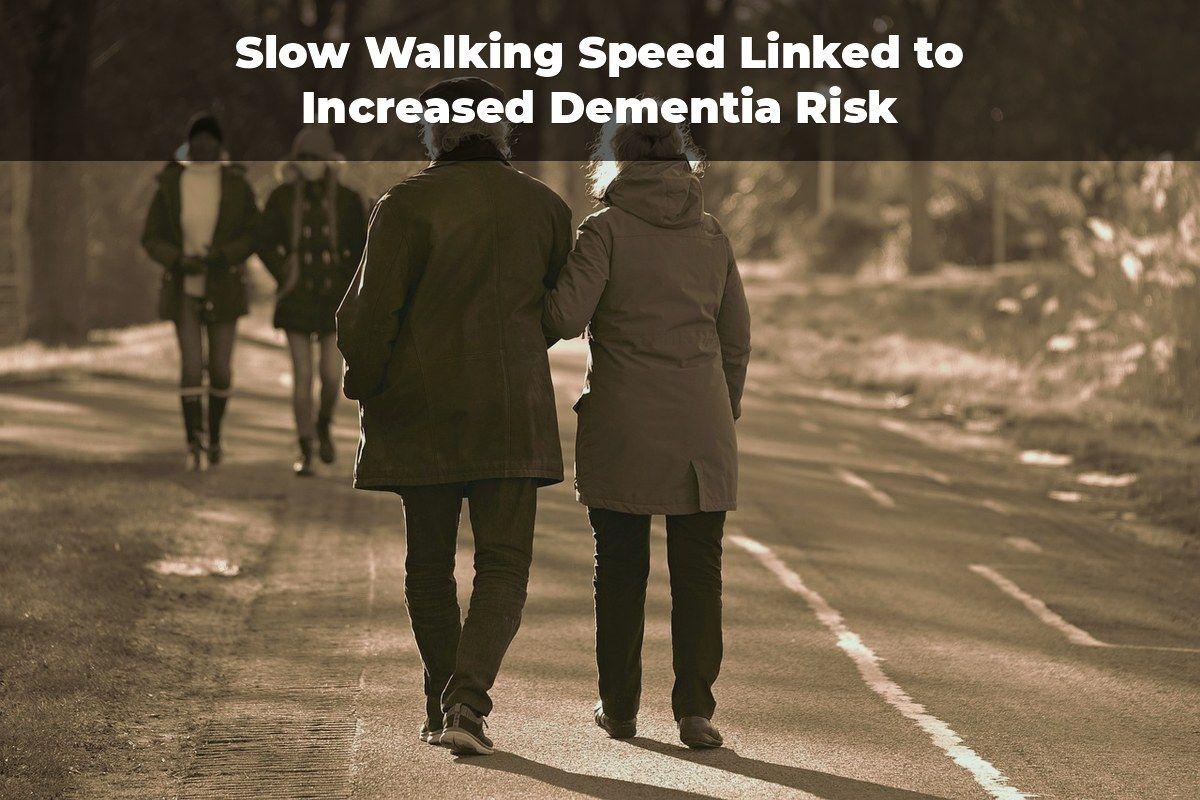
A recent report from The Korea Daily highlights a potentially concerning link between slow walking speed and an increased risk of developing dementia. According to the headline, a slower pace may raise dementia risk by 128%. While the specifics of the study are not detailed in the report, early research suggests that walking speed could be a useful indicator of brain health. Understanding this possible connection is important for those concerned about cognitive decline and dementia.
Walking speed is a simple measure, but it can reflect complex changes in the brain. Researchers have been exploring how physical abilities, like walking, relate to cognitive functions. The idea is that slower walking might indicate underlying issues with brain networks that control both movement and thinking. These findings are part of ongoing efforts to identify early signs of dementia, allowing for timely intervention and support.
It’s essential to view these findings as part of a broader context. Slow walking speed alone isn’t a definitive predictor of dementia. Many factors can influence walking speed, such as age, fitness level, and other medical conditions. However, it may serve as a valuable piece of the puzzle when combined with other assessments and observations. For individuals and families, this means keeping an eye on walking speed as part of overall health monitoring could be beneficial.
Why Might Slow Walking Speed Be an Early Indicator of Dementia?
Walking involves multiple brain functions, including planning movements, maintaining balance, and adjusting to the environment. These tasks require coordination between different brain regions. If these areas are affected by early signs of dementia, walking speed might slow down. Researchers believe that changes in the brain’s white matter, which is crucial for communication between different parts of the brain, could impact both cognitive and motor functions.
Studies have shown that reduced walking speed is often observed in individuals with mild cognitive impairment (MCI), which can be a precursor to dementia. MCI involves noticeable changes in memory, thinking, or judgment, but not to the extent that it interferes significantly with daily life. Tracking walking speed might help identify individuals at higher risk of progressing from MCI to dementia.
The potential link between walking speed and dementia risk underscores the importance of regular physical activity. Exercise is known to promote brain health by improving blood flow, reducing inflammation, and encouraging the growth of new brain cells. Engaging in activities that challenge both the body and mind, such as dancing or tai chi, might provide additional benefits by enhancing coordination and cognitive function.
What Other Factors Contribute to Dementia Risk?
Dementia is influenced by a combination of genetic, environmental, and lifestyle factors. Age is the most significant risk factor, with most cases occurring in individuals over 65. Genetics also play a role, especially in early-onset forms of dementia. Family history of the disease can increase risk but doesn’t guarantee its development.
Lifestyle factors, such as diet, exercise, and social engagement, are crucial in shaping dementia risk. A heart-healthy diet, rich in fruits, vegetables, whole grains, and lean proteins, supports brain health. Regular physical activity helps maintain healthy blood vessels and reduces the risk of conditions like high blood pressure and diabetes, which are linked to cognitive decline. Staying socially active and mentally stimulated can also have protective effects.
Chronic health conditions such as cardiovascular disease, diabetes, and obesity are associated with an increased risk of dementia. Managing these conditions through medical treatment and lifestyle changes is important for reducing overall risk. Smoking and excessive alcohol consumption can also harm brain health and should be avoided or minimized.
How Can You Monitor and Improve Walking Speed?
Monitoring walking speed can be a simple yet effective way to keep track of changes in physical and cognitive health. One way to assess walking speed is to time how long it takes to walk a specific distance, such as 10 feet or across a room. Compare these times over weeks or months to observe any trends or changes.
Improving walking speed involves regular physical activity that enhances strength, balance, and coordination. Walking itself is an excellent form of exercise, but incorporating strength training and balance exercises can provide additional benefits. Activities like yoga, tai chi, or even seated exercises can improve flexibility and muscle tone, supporting faster and more stable walking.
For those with limited mobility or difficulty walking, working with a physical therapist can be beneficial. A therapist can tailor exercises to individual needs and abilities, helping to safely increase walking speed and endurance. They can also provide strategies to address specific challenges, such as balance issues or muscle weakness.
When Should You See a Doctor About Walking Speed and Dementia Concerns?
It’s important to consult a doctor if you notice a significant or sudden change in walking speed, especially if accompanied by other symptoms such as memory loss, confusion, or difficulty with daily tasks. These changes could indicate underlying health issues that need evaluation. Early diagnosis and intervention can improve outcomes and quality of life.
Urgent care is necessary if there are sudden changes in thinking or behavior, which could be signs of a stroke or other serious condition. Symptoms like face drooping, arm weakness, or trouble speaking require immediate medical attention. Falls resulting in a head injury, wandering and getting lost, or thoughts of self-harm are also critical situations that need prompt response.
Regular check-ups with a healthcare provider can help monitor changes in walking speed and cognitive health. Discuss any concerns about dementia risk, and consider a referral to a specialist, such as a neurologist or geriatrician, for a comprehensive evaluation. A thorough assessment may include physical exams, cognitive tests, and imaging studies to determine the cause of symptoms and appropriate management.
What Steps Can You Take to Reduce Dementia Risk?
Taking proactive steps to maintain brain health is crucial for reducing dementia risk. Engaging in regular physical activity is one of the most effective strategies. Aim for at least 150 minutes of moderate exercise per week, such as brisk walking or cycling. Include activities that promote strength, flexibility, and balance.
Adopting a healthy diet, similar to the Mediterranean diet, can support cognitive function. Focus on consuming plenty of fruits, vegetables, whole grains, nuts, and olive oil. Omega-3 fatty acids, found in fish like salmon and mackerel, may also benefit brain health. Limiting processed foods, red meat, and sugar can further protect against cognitive decline.
Mental and social activities are equally important. Keep your brain active with puzzles, reading, or learning new skills. Staying socially engaged through volunteer work, clubs, or family gatherings can enhance mental well-being. Managing stress, getting enough sleep, and avoiding smoking and excessive alcohol use are additional ways to support brain health.
How Can Caregivers Support Loved Ones with Dementia Concerns?
Caregivers play a vital role in the lives of individuals with dementia concerns. Providing emotional support and encouragement is crucial as loved ones navigate changes in health and abilities. Educate yourself about dementia to understand the disease process and anticipate challenges.
Assist in creating a safe and supportive environment. Remove tripping hazards, ensure adequate lighting, and simplify home layouts to promote independence. Encourage regular physical activity and accompany loved ones on walks or to exercise classes, fostering both physical health and social connection.
Help coordinate medical care and attend appointments to discuss concerns and treatment options. Being involved in healthcare decisions can ensure that your loved one receives comprehensive care. Support groups and caregiver resources can provide additional guidance and community, helping you manage the emotional and practical aspects of caregiving.
Source: Walking speed — Slow Pace Raises Dementia Risk by 128% (The Korea Daily)
This article is for general information only and is not medical advice. Always talk with your doctor about symptoms, diagnosis and treatment. If someone has sudden confusion, signs of a stroke, or a fall with a head injury, call 911 or go to the nearest emergency room.