Alexander Boretsky, DO
What Is the New Technology for Alzheimer's Treatment?
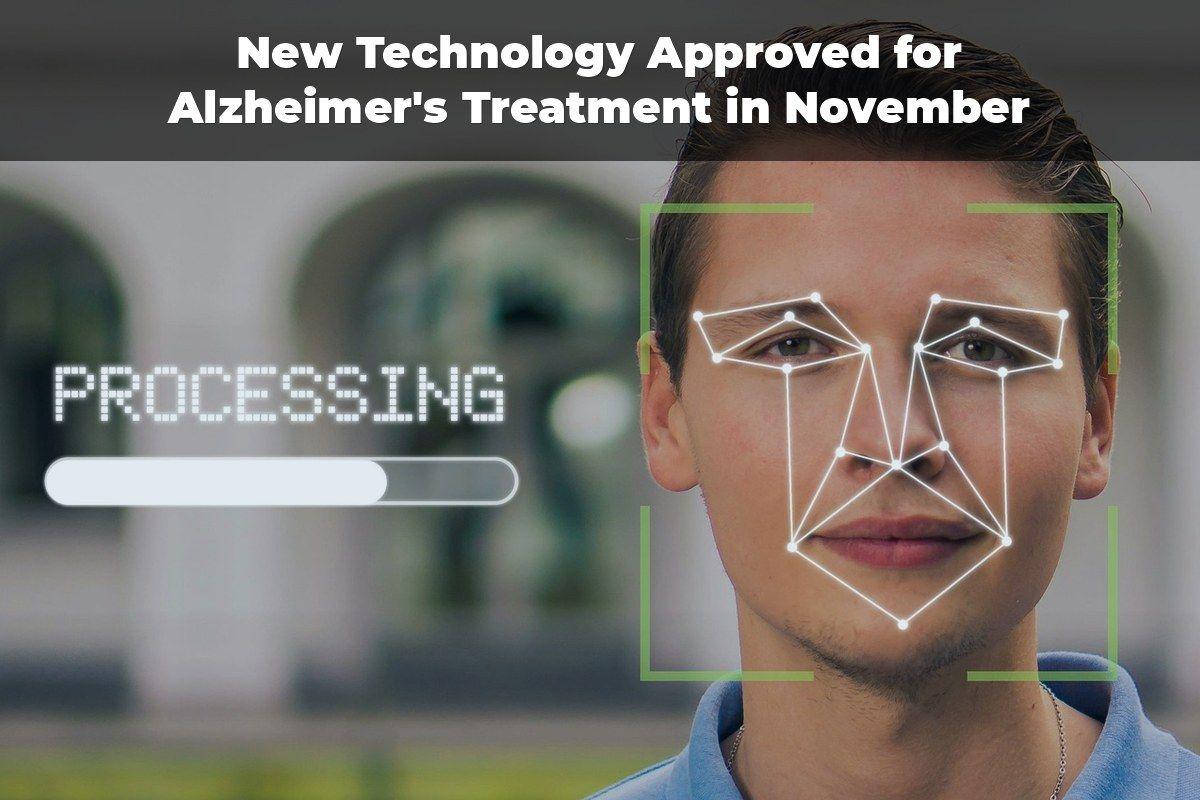
A recent report from FOX6 News Milwaukee highlights new technology approved for Alzheimer's treatment this November. While the details of the report are not fully disclosed, the news marks a significant step in the ongoing efforts to combat Alzheimer's disease. The development of new treatments is crucial as Alzheimer's affects millions worldwide, causing significant emotional and financial strain on families and healthcare systems.
New technologies in Alzheimer's treatment often focus on improving how we diagnose, monitor, and potentially treat the disease. These can range from advanced imaging techniques to innovative drug delivery systems and digital tools that help track cognitive decline. Such advancements are vital because early and accurate diagnosis can lead to better management of the disease, helping patients maintain their quality of life for as long as possible.
While early research suggests promising outcomes, it is important to remember that new treatments typically undergo rigorous testing before they become widely available. This ensures they are both safe and effective for patients. As technology continues to evolve, it offers hope for improved treatment options and possibly even preventative measures in the future.
How Does Alzheimer's Disease Affect the Brain?
Alzheimer's disease is a progressive neurological disorder that affects the brain's structure and function. It is the most common cause of dementia, accounting for 60-80% of cases. The disease is characterized by the build-up of abnormal proteins, known as amyloid plaques and tau tangles, which disrupt communication between brain cells and lead to cell death.
These changes in the brain typically begin years before symptoms appear. Initially, individuals may experience mild memory loss, difficulty finding words, or challenges with problem-solving. As the disease progresses, symptoms worsen, affecting language, reasoning, and even basic daily activities like dressing and eating. Eventually, Alzheimer's can lead to severe cognitive and physical decline, requiring round-the-clock care.
The exact cause of Alzheimer's remains unknown, but several risk factors have been identified. Age is the most significant risk factor, with most cases diagnosed in people over 65. Genetics also play a role, with certain genes increasing susceptibility. Additionally, lifestyle factors such as diet, exercise, and cardiovascular health can influence the risk of developing Alzheimer's.
What Are the Current Treatment Options for Alzheimer's?
Currently, there is no cure for Alzheimer's disease, but several treatment options can help manage symptoms. These treatments aim to improve quality of life and maximize functioning by addressing memory loss and cognitive decline.
Medications are often used as part of an Alzheimer's treatment plan. Cholinesterase inhibitors, such as donepezil, rivastigmine, and galantamine, can help improve cognitive symptoms in the early to moderate stages of the disease. Another medication, memantine, is used to treat moderate to severe Alzheimer's, working by regulating glutamate, a brain chemical involved in learning and memory.
Non-drug approaches are also important in managing Alzheimer's. Cognitive stimulation therapy, physical exercise, and social engagement can help maintain cognitive function and emotional well-being. Creating a safe and supportive environment is crucial, as it can reduce confusion and anxiety for those living with Alzheimer's.
How Can New Technology Impact Alzheimer's Care?
New technology can significantly impact Alzheimer's care by improving diagnosis, treatment, and patient management. For example, advanced imaging techniques, such as PET scans, can help detect amyloid plaques in the brain, allowing for earlier diagnosis and intervention.
Digital health tools also offer promising benefits. Wearable devices and smartphone apps can monitor cognitive function, track symptoms, and even remind patients to take medications. These technologies can enhance communication between patients, caregivers, and healthcare providers, leading to more personalized and effective care plans.
Additionally, new drug delivery systems, such as targeted therapies, are being developed to improve the effectiveness of Alzheimer's medications. These approaches aim to deliver drugs directly to affected areas of the brain, potentially reducing side effects and increasing efficacy. As these technologies continue to evolve, they hold the potential to transform the landscape of Alzheimer's care.
When Should You See a Doctor About Memory Concerns?
It's important to see a doctor if you or a loved one is experiencing memory concerns or cognitive changes. Early diagnosis and intervention can make a significant difference in managing Alzheimer's and other forms of dementia.
One warning sign to watch for is sudden confusion or a sudden change in thinking or behavior. This could indicate a medical emergency, such as a stroke, which requires immediate attention. Other signs that warrant a doctor's visit include difficulty performing familiar tasks, getting lost in familiar places, and changes in personality or mood.
If you notice any of these symptoms, schedule an appointment with a healthcare provider. They can conduct a comprehensive evaluation, which may include a medical history, physical examination, cognitive tests, and imaging studies. This evaluation will help determine if Alzheimer's or another condition is causing the symptoms and guide the next steps in care and treatment.
What Support Is Available for Alzheimer's Caregivers?
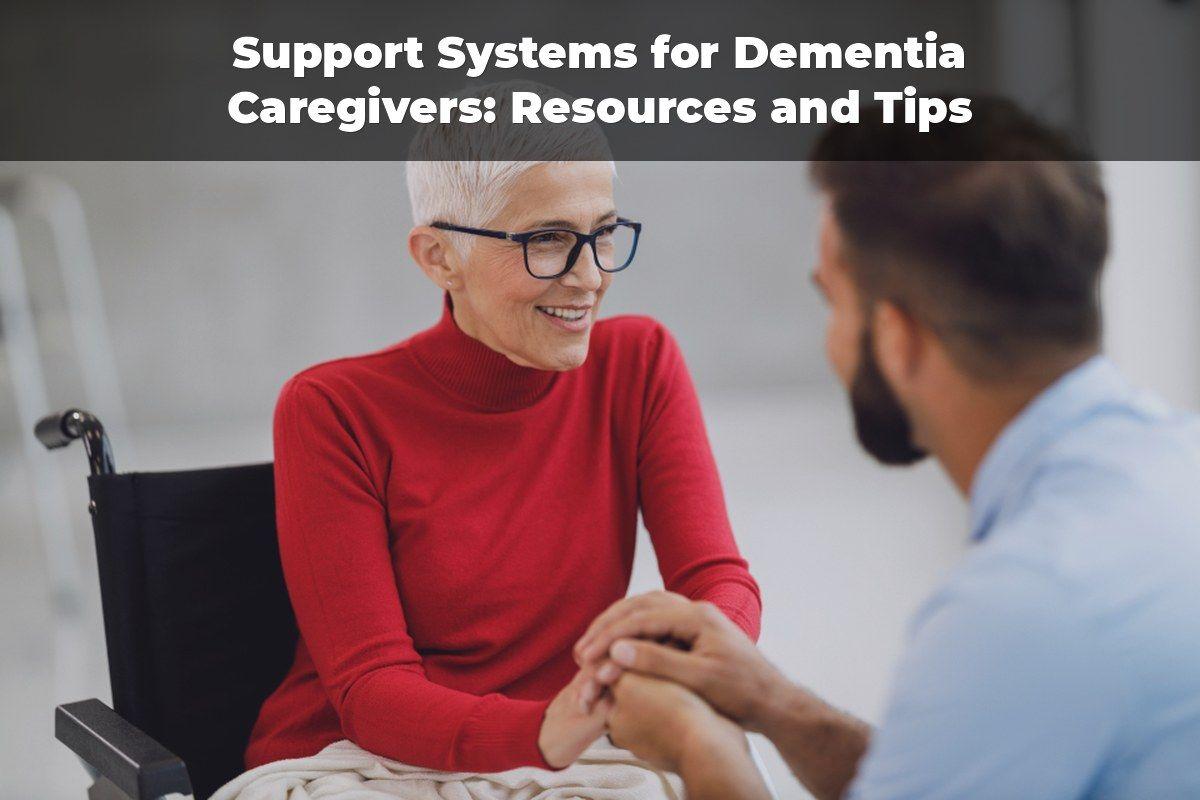
Caring for a loved one with Alzheimer's can be challenging, but support is available. Understanding the disease and its progression is a crucial first step for caregivers. Education and training can help caregivers develop effective strategies for managing daily care and coping with the emotional impact of the disease.
Support groups provide an opportunity for caregivers to connect with others facing similar challenges. These groups offer a space to share experiences, advice, and emotional support. Many organizations, such as the Alzheimer's Association, offer local and online support groups for caregivers.
Finally, respite care services can offer temporary relief for caregivers. These services provide professional care for the person with Alzheimer's, allowing caregivers to rest and recharge. Respite care can be arranged through in-home care providers or adult day centers, giving caregivers peace of mind and time to focus on their well-being.
How Can Lifestyle Changes Reduce Alzheimer's Risk?
While there is no guaranteed way to prevent Alzheimer's, certain lifestyle changes may help reduce the risk. Maintaining a healthy lifestyle can support overall brain health and potentially delay the onset of symptoms.
Regular physical exercise is one of the most effective ways to protect brain health. Activities like walking, swimming, or dancing can improve cardiovascular health, boost mood, and enhance cognitive function. Aim for at least 150 minutes of moderate exercise per week.
A balanced diet is also essential. The Mediterranean diet, rich in fruits, vegetables, whole grains, and healthy fats, is associated with a lower risk of Alzheimer's. Limiting processed foods, sugar, and saturated fats can also benefit brain health.
Finally, staying socially and mentally engaged is important. Activities that challenge the brain, such as puzzles or learning a new skill, can help maintain cognitive function. Social interactions, whether through volunteering, clubs, or family gatherings, are also crucial for emotional well-being and brain health.
Source: Alzheimer's Awareness Month: New tech approved to treat disease (FOX6 News Milwaukee)
This article is for general information only and is not medical advice. Always talk with your doctor about symptoms, diagnosis and treatment. If someone has sudden confusion, signs of a stroke, or a fall with a head injury, call 911 or go to the nearest emergency room.