Alexander Boretsky, DO
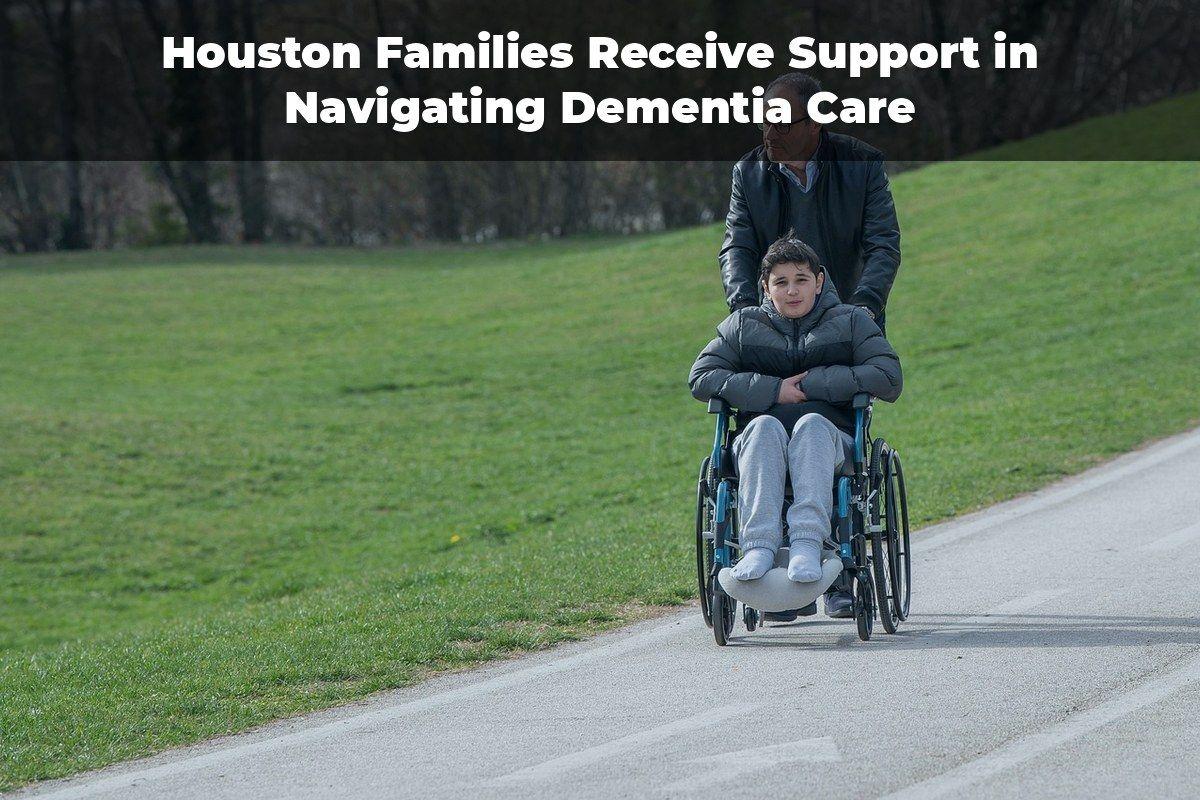
How Are Houston Families Finding Support for Dementia Care?
A recent report from KHOU highlights how CarePartners is helping families in Houston navigate the complexities of dementia care. This local support can be a lifeline for families facing the challenges of dementia, offering guidance, resources, and a sense of community. Understanding dementia is crucial because it involves not only medical care but also emotional and social support. The assistance from organizations like CarePartners can make a significant difference in the quality of life for both patients and caregivers.
Dementia is a broad term that encompasses various conditions characterized by cognitive decline, such as Alzheimer's disease, vascular dementia, and Lewy body dementia. These conditions affect memory, thinking, and social abilities, often leading to a need for comprehensive care. Families can benefit from understanding the nature of these diseases and the types of support available, such as respite care, counseling, and educational programs. Many organizations provide resources to help families manage their loved one's symptoms and improve their quality of life.
In Houston, as in many cities, the demand for dementia support services is growing. Family caregivers often face emotional and physical stress, making it essential to access resources that can offer relief and guidance. Support groups, workshops, and community events can provide much-needed support and information. By connecting with local services, families can learn more about managing dementia, reducing the burden on caregivers, and improving the overall care experience for their loved ones.
What Are the Early Signs of Dementia?
Recognizing the early signs of dementia can help families seek timely medical advice and support. Dementia symptoms can vary, but common early signs include memory loss, difficulty concentrating, and changes in mood or behavior. People may also experience confusion about time or place and difficulty performing familiar tasks. These symptoms often start subtly, making it easy to dismiss them as normal aging.
It's important to differentiate between normal age-related changes and dementia. While occasional forgetfulness is common with aging, persistent memory issues and cognitive difficulties are not typical. If a loved one frequently forgets recent events, misplaces items, or struggles to follow conversations, these could be signs of dementia. Early diagnosis can lead to better management of the condition and access to appropriate support services.
Families should be attentive to changes in their loved ones' behavior and cognitive abilities. Keeping a record of symptoms and discussing them with a healthcare professional can help in obtaining a clear diagnosis. Early intervention can help slow the progression of dementia, improve quality of life, and allow families to plan for future care needs. With the right support, individuals with dementia can maintain their independence and dignity for as long as possible.
How Is Dementia Diagnosed?
Diagnosing dementia involves a thorough medical evaluation to identify the cause of cognitive decline. The process typically starts with a detailed medical history and a physical examination. Doctors may also conduct neurological assessments and cognitive tests to evaluate memory, problem-solving skills, and other cognitive functions. These tests help determine if the symptoms are consistent with dementia or another medical condition.
Imaging tests like MRI or CT scans can provide detailed pictures of the brain, helping doctors identify changes associated with different types of dementia. Blood tests might be conducted to rule out other causes of cognitive impairment, such as vitamin deficiencies or thyroid problems. In some cases, a referral to a neurologist or geriatrician is necessary for further evaluation and management.
A comprehensive diagnosis allows for tailored treatment plans and appropriate support for both patients and caregivers. Understanding the specific type of dementia is crucial, as it can influence the course of the disease and the treatment options available. Early diagnosis also provides families with the opportunity to explore available resources, plan for the future, and make informed decisions about care and lifestyle changes.
What Support Options Are Available for Caregivers?
Caring for someone with dementia can be overwhelming, and caregiver support is crucial for maintaining well-being. Houston offers various resources for family caregivers, including support groups, educational workshops, and respite care services. Support groups provide a platform for caregivers to share experiences, gain insights, and build a network of understanding peers. These groups can be a source of emotional support and practical advice.
Educational programs can help caregivers learn more about dementia, effective communication strategies, and ways to manage challenging behaviors. Knowledge empowers caregivers to provide better care and cope with the stresses associated with caregiving. Respite care services offer temporary relief, allowing caregivers to take a break and attend to their own needs. This can prevent burnout and improve the overall caregiving experience.
In addition to local resources, national organizations like the Alzheimer's Association offer a wealth of information and support. Caregivers can access a variety of online tools, hotlines, and community events designed to address their unique challenges. By utilizing these resources, caregivers can improve the quality of care they provide and maintain their own health and well-being.
When Should You See a Doctor About Dementia Symptoms?
It's vital to see a doctor if you notice warning signs of dementia in yourself or a loved one. Early signs, such as memory loss and confusion, warrant a professional evaluation. However, some symptoms require urgent medical attention. Sudden confusion, changes in behavior, or difficulty speaking can indicate a stroke or other serious condition. If someone falls and hits their head, immediate medical care is necessary to rule out any injuries.
Wandering and getting lost are common in people with dementia and can be dangerous. If a loved one starts wandering, it's important to consult a healthcare provider to discuss safety measures and interventions. Thoughts of self-harm or severe depression also require immediate medical attention. Dementia can increase the risk of depression, and addressing mental health is an essential part of comprehensive care.
Regular check-ups with a healthcare provider are important for monitoring the progression of dementia and managing symptoms. A doctor can provide guidance on medication, lifestyle changes, and support services. Early intervention and ongoing care can improve the quality of life for individuals with dementia and their families. Seeking medical advice at the right time can make a significant difference in managing the condition effectively.
How Can Families in Houston Plan for Dementia Care?
Planning for dementia care involves understanding the disease, exploring care options, and preparing for future needs. Houston families can start by educating themselves about dementia and the progression of the disease. This knowledge will help them make informed decisions about care and lifestyle changes. It's important to have open discussions with family members about care preferences, legal matters, and financial planning.
Exploring care options is a crucial step in planning for dementia care. This includes understanding the benefits of in-home care, assisted living, and memory care facilities. Each option offers different levels of support and services, and families should consider what best suits their loved one's needs and preferences. Consulting with healthcare professionals and visiting local facilities can provide valuable insights.
Planning for future needs also involves addressing legal and financial matters. Families should consider setting up legal documents such as power of attorney and advance directives to ensure their loved one's wishes are honored. Financial planning is essential to manage the costs associated with dementia care, including medical expenses and long-term care. By taking proactive steps, families can provide their loved ones with the best possible care and support throughout their journey with dementia.
What Role Do Community Resources Play in Dementia Care?
Community resources play a vital role in supporting families affected by dementia. In Houston, organizations like CarePartners offer programs and services that address the diverse needs of individuals with dementia and their caregivers. These resources can include educational workshops, support groups, and respite care services, all designed to provide practical assistance and emotional support.
Educational workshops focus on increasing awareness about dementia and equipping families with the knowledge needed to manage the condition effectively. These programs often cover topics such as communication strategies, managing difficult behaviors, and understanding the progression of dementia. By participating in these workshops, families can gain valuable insights and skills that enhance their caregiving abilities.
Support groups offer a safe space for caregivers to share their experiences and connect with others facing similar challenges. These groups provide emotional support, reduce feelings of isolation, and foster a sense of community. Respite care services give caregivers a much-needed break, allowing them to recharge and attend to their own well-being. By utilizing community resources, families can improve their quality of life and ensure their loved ones receive compassionate and effective care.
Source: CarePartners Helps Houston Families Navigate Dementia Care (KHOU)
This article is for general information only and is not medical advice. Always talk with your doctor about symptoms, diagnosis and treatment. If someone has sudden confusion, signs of a stroke, or a fall with a head injury, call 911 or go to the nearest emergency room.