Alexander Boretsky, DO
How Could a High-Dose Flu Vaccine Lower Alzheimer’s Risk?
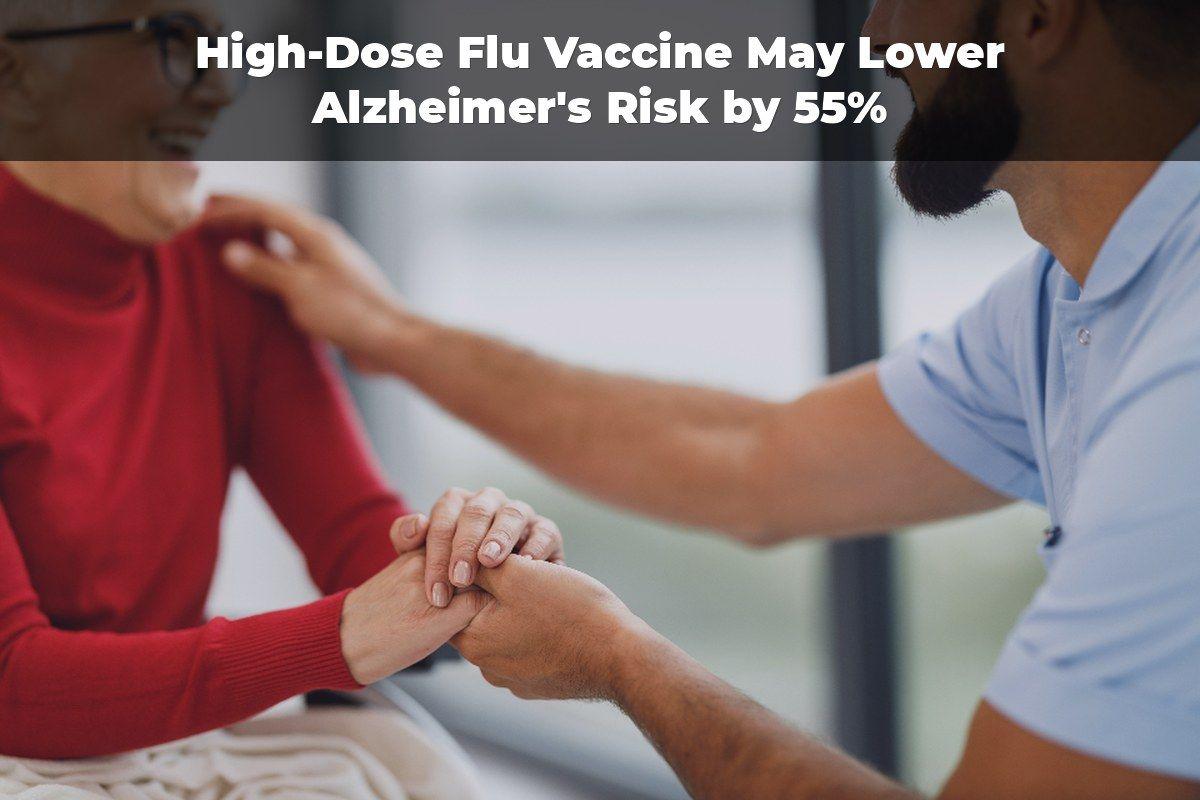
A recent report from ScienceAlert highlights early research suggesting that a high-dose flu vaccine may lower the risk of Alzheimer’s disease by nearly 55%. This news is intriguing, as Alzheimer’s disease affects millions worldwide. While this potential link is exciting, it’s important to understand the context. The flu vaccine is designed to protect against influenza, which can be particularly severe in older adults. The idea that it might also help reduce Alzheimer’s risk adds a new layer of potential benefit for seniors.
Alzheimer’s is a complex disease with no known cure. It involves the gradual decline of memory, thinking, and reasoning skills. Researchers continue to explore various avenues to find ways to prevent or slow its progression. The possibility that a common vaccine could play a role in reducing risk is a hopeful development, but it’s still early days. More research is needed to confirm these findings and understand the mechanisms involved.
For those considering a high-dose flu vaccine, it’s crucial to discuss options with a healthcare provider. They can offer guidance based on individual health needs and current medical advice. Remember, while vaccines are generally safe, they can have side effects. A healthcare provider can help weigh the benefits and risks, considering each person’s specific circumstances.
What Is Alzheimer’s Disease and Why Is It Important?
Alzheimer’s disease is a progressive brain disorder. It gradually destroys memory and thinking skills, eventually affecting the ability to carry out simple tasks. Alzheimer’s is the most common cause of dementia among older adults. The exact cause is not fully understood, but it involves the build-up of certain proteins in the brain, loss of connections between nerve cells, and inflammation.
The importance of Alzheimer’s disease lies in its impact. It affects not only those diagnosed but also their families and caregivers. As the disease progresses, individuals may require full-time care, which can be emotionally and financially challenging. The disease is also a significant public health concern, with millions of people affected worldwide and numbers expected to rise.
Efforts to find effective prevention and treatment strategies are critical. Current treatments focus on managing symptoms, but there’s an urgent need for approaches that can delay onset or slow progression. Understanding Alzheimer’s disease, its risk factors, and potential preventive measures are essential for both individuals at risk and those already living with the disease.
How Does the Flu Vaccine Work?
The flu vaccine is designed to protect against the influenza virus. It works by stimulating the immune system to produce antibodies. These antibodies help fight off the virus if exposed, reducing the likelihood of getting sick. The high-dose flu vaccine, specifically for older adults, contains a higher amount of antigen to elicit a stronger immune response.
Older adults are at higher risk of severe flu complications. Their immune systems are often weaker, making them more vulnerable. The high-dose vaccine aims to provide better protection by enhancing the body’s immune response. This is especially important for preventing flu-related complications, which can be life-threatening in seniors.
The potential link between the high-dose flu vaccine and reduced Alzheimer’s risk is a new area of interest. Researchers are looking into whether the vaccine’s immune-boosting effects might also impact brain health. If the vaccine helps reduce inflammation or other processes involved in Alzheimer’s, it could offer a dual benefit. However, this theory is still under investigation, and more studies are needed to draw definitive conclusions.
What Are Other Known Risk Factors for Alzheimer’s?
Several risk factors for Alzheimer’s disease are well-established. Age is the most significant risk factor, with most cases occurring in people 65 and older. Family history also plays a role. Having a parent or sibling with Alzheimer’s increases the risk, especially if more than one family member is affected.
Genetics can influence risk as well. Certain genes, like the APOE-e4 gene, are associated with a higher risk of developing Alzheimer’s. However, not everyone with these genes will develop the disease, and those without them can still be at risk. Lifestyle factors are also important. Poor heart health, lack of exercise, obesity, smoking, and uncontrolled diabetes can increase risk.
Understanding these risk factors can help in making informed lifestyle choices. While some factors like age and genetics cannot be changed, others can be managed. Adopting a healthy lifestyle, staying socially and mentally active, and managing health conditions can all contribute to reducing the risk of Alzheimer’s disease.
When Should You See a Doctor?
It’s essential to see a doctor if you notice any warning signs of Alzheimer’s or other forms of dementia. Early diagnosis and intervention can help manage symptoms and plan for the future. Common early signs include memory loss that disrupts daily life, difficulty planning or solving problems, and confusion with time or place.
Urgent medical attention is necessary if there’s a sudden change in thinking or behavior. This can include sudden confusion, trouble speaking, or a fall with a head injury. These could be signs of a stroke or other serious conditions. Wandering and getting lost or having thoughts of self-harm also require immediate care.
If you or a loved one experience these symptoms, don’t wait to seek help. Reach out to a healthcare provider for an evaluation. They can help determine whether symptoms are related to Alzheimer’s, another form of dementia, or a different medical issue altogether. Early detection can provide more options for care and treatment.
How Can Caregivers Support a Loved One with Alzheimer’s?
Caring for a loved one with Alzheimer’s can be challenging but also rewarding. It’s essential to approach caregiving with patience, understanding, and flexibility. As the disease progresses, the needs of the person with Alzheimer’s will change. Caregivers should focus on maintaining the person’s dignity and quality of life.
Education is a critical component of effective caregiving. Understanding Alzheimer’s disease and its progression helps caregivers anticipate changes and adapt care strategies. Support groups and resources can provide valuable information and emotional support. Connecting with others who share similar experiences can be comforting and provide practical advice.
Caregivers should also prioritize their well-being. Caring for someone with Alzheimer’s can be demanding, and burnout is a common issue. Taking breaks, asking for help, and maintaining personal health are vital. Remember, caring for yourself enables you to better care for your loved one. Professional help, such as respite care or in-home assistance, can be invaluable in providing necessary breaks and support.
What Are Practical Steps for Reducing Alzheimer’s Risk?
While there’s no guaranteed way to prevent Alzheimer’s, several lifestyle changes can help reduce risk. Maintaining a healthy diet is crucial. Foods rich in antioxidants, like fruits and vegetables, and omega-3 fatty acids, such as those found in fish, support brain health. Regular physical activity also benefits the brain and overall health.
Staying mentally active is another important aspect. Engaging in activities that challenge the brain, such as puzzles, reading, or learning a new skill, can help keep the mind sharp. Social engagement is equally important. Maintaining strong social connections can reduce stress and improve mental well-being.
Managing chronic health conditions is vital for reducing Alzheimer’s risk. Keeping blood pressure, cholesterol, and blood sugar levels under control can help maintain cognitive health. Avoiding smoking and excessive alcohol consumption is also crucial. These steps, combined with regular medical check-ups, can contribute significantly to lowering the risk of Alzheimer’s disease.
Source: A High-Dose Flu Vaccine Is Linked to Nearly 55% Lower Alzheimer's Risk (ScienceAlert)
This article is for general information only and is not medical advice. Always talk with your doctor about symptoms, diagnosis and treatment. If someone has sudden confusion, signs of a stroke, or a fall with a head injury, call 911 or go to the nearest emergency room.