Alexander Boretsky, DO
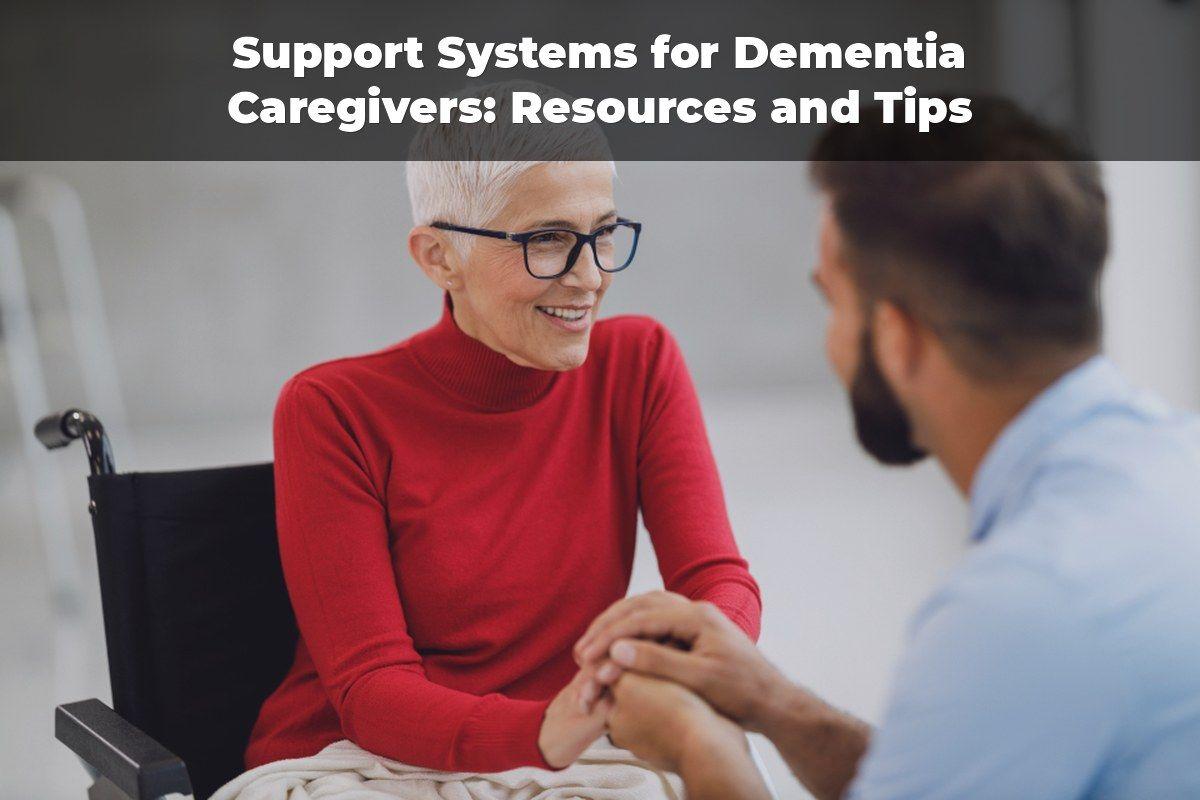
What Support Systems Are Available for Dementia Caregivers?
A recent report from Mirage News highlights that dementia caregivers don’t have to go it alone. This is an important reminder for many family members and friends who dedicate their time and energy to caring for someone with dementia. Caregiving can be rewarding, but it often involves significant emotional and physical challenges. Understanding the support systems available can make a big difference.
One of the most valuable resources is caregiver support groups. These groups provide a safe space to share experiences, learn from others, and gain emotional support. Many organizations, such as the Alzheimer’s Association, offer support groups both online and in person. These groups can help caregivers feel less isolated and more connected to others facing similar challenges.
Professional counseling is another option for caregivers who need additional support. Talking to a therapist can offer a chance to explore emotions, manage stress, and develop coping strategies. Many communities have counseling services specifically for caregivers, and some insurance plans may cover these sessions. Online therapy options can also be a convenient choice for many busy caregivers.
How Can Community Resources Help Dementia Caregivers?
Community resources can play a crucial role in supporting dementia caregivers. Adult day care centers, for instance, offer structured activities for people with dementia while providing caregivers with much-needed respite. These centers ensure that individuals with dementia are in a safe environment, engaging in social and therapeutic activities.
Respite care is another valuable community resource. It offers temporary relief for caregivers, allowing them to take a break and recharge. Respite care can be provided in the home, at a day center, or in a healthcare facility, depending on the needs and preferences of the caregiver and their loved one. Many community organizations offer respite care services, sometimes on a sliding scale based on income.
Educational workshops and seminars are also beneficial for caregivers. These events often cover topics like dementia progression, effective communication techniques, and stress management. They provide practical tools and knowledge that caregivers can apply in their daily lives. Many of these workshops are offered by local hospitals, community centers, or nonprofit organizations focused on aging and dementia care.
What Role Does Technology Play in Supporting Caregivers?
Technology is increasingly becoming a support tool for dementia caregivers. Apps and online platforms can help caregivers manage their tasks and stay organized. For example, some apps allow caregivers to track medications, set reminders for appointments, and even monitor health metrics.
Video conferencing tools are another technological boon. They enable caregivers to stay connected with healthcare providers without having to leave their homes. This can be especially helpful for caregivers who live far from medical facilities or have limited mobility. Telehealth appointments can provide reassurance and quicker access to professional advice.
Safety technology, such as GPS tracking devices, can be particularly helpful for caregivers of individuals prone to wandering. These devices allow caregivers to monitor their loved one’s location and receive alerts if they leave a designated area. Additionally, home monitoring systems can provide peace of mind by alerting caregivers to unusual activity patterns or potential emergencies in the home.
When Should a Dementia Caregiver Consider Seeing a Doctor?
It’s important for caregivers to know when to seek professional medical advice for their loved one with dementia. Sudden changes in behavior, such as increased confusion, aggression, or hallucinations, can be signs that medical intervention is needed. These symptoms might indicate an underlying medical issue like an infection or side effects from medication.
Signs of a stroke, such as face drooping, arm weakness, or trouble speaking, are emergency situations that require immediate medical attention. If you notice any of these symptoms, it’s crucial to call emergency services right away. Timely intervention can make a significant difference in outcomes.
Other warning signs include falls with head injuries, wandering and getting lost, or any thoughts of self-harm. These situations can be dangerous and require prompt action. Regular check-ups with a doctor or a visit to a memory clinic can also help in early detection of any changes in the condition of the person with dementia, allowing for timely adjustments in care plans.
What Are Some Practical Tips for Managing Caregiver Stress?
Managing stress is essential for caregivers to maintain their own health and provide effective care. One practical tip is to prioritize self-care. This means setting aside time for activities that bring joy and relaxation, whether it’s reading, walking, or practicing mindfulness. Taking small breaks throughout the day can also help reduce stress levels.
Establishing a routine can provide structure and predictability, which can be reassuring for both the caregiver and the person with dementia. Routines help manage time effectively and reduce the feeling of being overwhelmed. Including time for social activities and personal interests in the routine is important for maintaining a balanced life.
Reaching out for help is another crucial stress management strategy. This can mean asking family members or friends for assistance with caregiving tasks or hiring professional help if financially feasible. Remember, it’s okay to seek support and share responsibilities. Caregivers do not have to handle everything on their own.
How Can Family and Friends Support a Dementia Caregiver?
Family and friends can offer vital support to dementia caregivers. One way to help is by offering practical assistance, such as running errands, preparing meals, or helping with household chores. These acts can lighten the caregiving load and provide some relief for the caregiver.
Emotional support is equally important. Simply listening and providing a compassionate ear can be incredibly comforting. Encouraging the caregiver to share their feelings and frustrations can help them feel understood and less isolated. Regular check-ins, whether through phone calls or visits, can show the caregiver that they have a reliable support network.
Finally, educating oneself about dementia and its challenges can enable family and friends to provide more informed support. Understanding the disease can help in offering empathy and patience, as well as in recognizing the caregiver’s need for breaks and respite. This knowledge empowers the entire support system to work together more effectively.
How Can Caregivers Find Financial Assistance?
Financial assistance can ease some of the burdens that come with caregiving. One place to start is by exploring government programs such as Medicaid, which may offer financial support for in-home care services. Each state’s Medicaid program has different eligibility criteria, so it’s important to research the options available in your area.
Some nonprofits and charities provide grants or subsidies to help cover caregiving costs. Organizations like the National Family Caregiver Support Program may offer financial assistance for respite care, home modifications, or other caregiving needs. These resources can be particularly helpful for caregivers on a tight budget.
Additionally, some long-term care insurance policies cover home care services. Reviewing the details of any existing insurance policies can reveal potential benefits for caregiving expenses. For those without insurance, considering a consultation with a financial advisor experienced in elder care can provide guidance on managing expenses and budgeting for care.
Source: Dementia Caregivers Don't Have to Go It Alone (Mirage News)
This article is for general information only and is not medical advice. Always talk with your doctor about symptoms, diagnosis and treatment. If someone has sudden confusion, signs of a stroke, or a fall with a head injury, call 911 or go to the nearest emergency room.