Dementia Today

Up to 70% of Parkinson’s disease (PD) patients experience sleep problems that negatively impact their quality of life. Some patients have disturbed sleep/wake patterns such as difficulty falling asleep or staying asleep, while other patients may be subject to sudden and involuntary daytime sleep “attacks.” In the extreme, PD patients may exhibit REM-sleep behavior disorder (RBD), characterized by vivid, violent dreams or dream re-enactment, even before motor symptoms appear. A review in the Journal of Parkinson’s Disease discusses the underlying causes of sleep problems in PD, as well as medications, disease pathology, and comorbidities, and describes the most appropriate diagnostic tools and treatment options.
Sleep problems in PD patients can have wide-ranging adverse effects and can worsen in later stages of the disease. Sleepiness socially isolates patients and excessive sleepiness can put patients at risk of falls or injury, and can mean patients must give up driving. Sleepiness can impair cognition and concentration, exacerbate depression, and interfere with employment. Wakefulness at night impairs daytime wakefulness and may also cause mood instabilities and can exhaust caregivers.
“Diagnosis and effective treatment and management of these problems are essential for improving the quality of life and reducing institutionalization of these patients,” says lead author Wiebke Schrempf, MD, Technische Universität Dresden, Faculty of Medicine Carl Gustav Carus, Department of Neurology, Division of Neurodegenerative Diseases, Dresden, Germany.
Dr. Schrempf and colleagues describe some of the complexities associated with treating sleep problems in PD patients, such as the worsening of sleep problems by dopaminergic medications used to treat motor symptoms. Lower doses of levodopa or dopamine agonists are able to improve sleep quality partly by reducing motor symptoms such as nighttime hypokinesia (decreased body movement), dyskinesia (abnormal voluntary movements), or tremor (involuntary shaking), which interfere with normal sleep. However, the same medications may also cause excessive daytime sleepiness. The report describes how changing medication, dose, duration of treatment, or timing of administration can improve outcomes.
The presence of other conditions common in PD patients such as depression, dementia, hallucinations, and psychosis may interfere with sleep. Unfortunately, some antidepressants can also impair sleep.
Sleep problems may also be harbingers of future neurodegenerative disease. Patients with RBD exhibit intermittent loss of normal muscle relaxation during REM sleep and engage in dream enactment behavior during which they may shout, laugh, or exhibit movements like kicking and boxing. “RBD seems to be a good clinical predictor of emerging neurodegenerative diseases with a high specificity and low sensitivity, whereas other early clinical features of PD, such as olfactory dysfunction and constipation, are less specific,” says Dr. Schrempf. “These early clues may help identify PD patients before motor symptoms appear, when disease-modifying therapies may be most beneficial.”
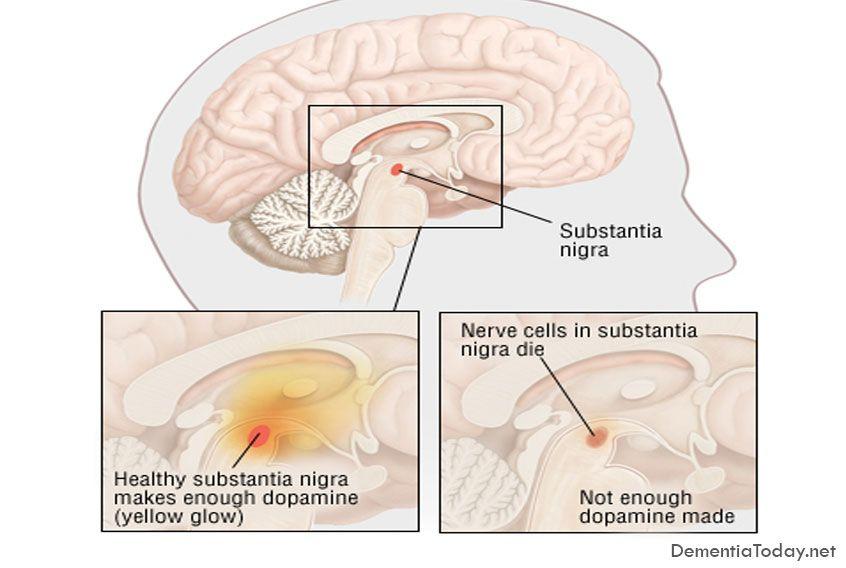
PD is the second most common neurodegenerative disorder in the United States, affecting approximately one million Americans and five million people worldwide. Its prevalence is projected to double by 2030. The most characteristic symptoms are movement-related, such as involuntary shaking and muscle stiffness. Non-motor symptoms, such as worsening depression, cognition, and anxiety, olfactory dysfunction, and sleep disturbances, can appear prior to the onset of motor symptoms.
###
Daphne Watrin
d.watrin@iospress.nl
31-206-883-355
IOS Press