Skip to content

24/7 dementia helpline 800-272-3900

Dementia Today

Archive

All articles

540 articlesPage 3 of 45

Alzheimer's Disease Dementia
Alzheimer's Disease

Alzheimer’s Disease Dementia

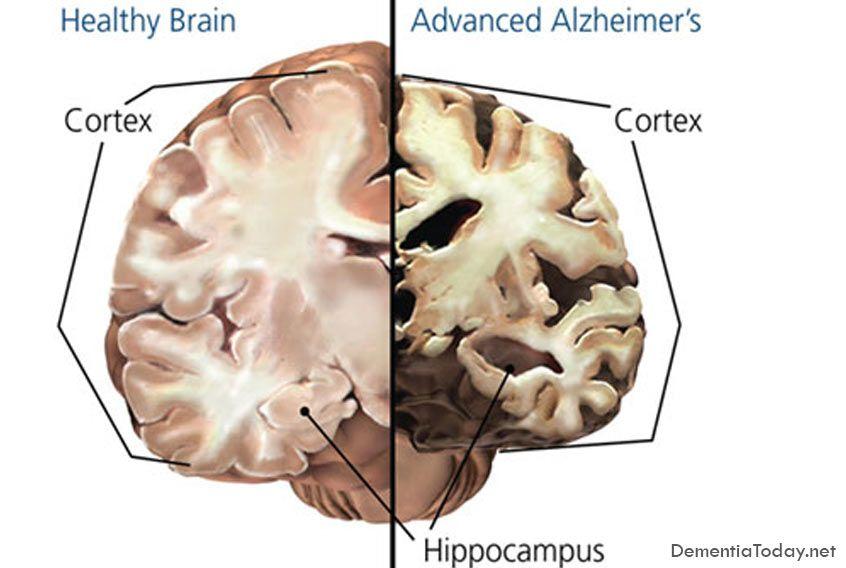
Alzheimer’s disease (AD) is the seventh leading cause of all deaths in the United States and is virtually tied with the sixth leading cause of death – diabetes. AD is the fifth leading cause of death in Americans aged 65

26 min read

Parkinson's Disease Dementia
Understanding Dementia

Parkinson’s Disease Dementia

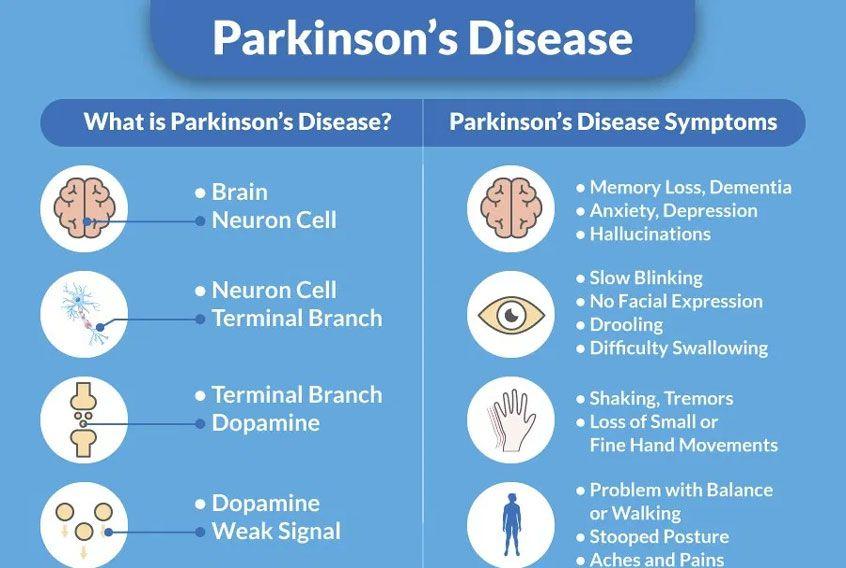
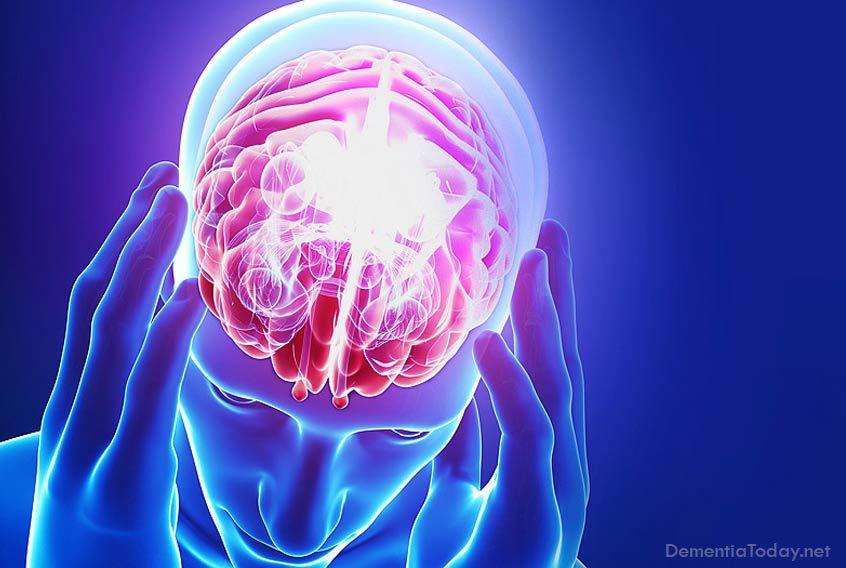
Parkinson’s dementia is a condition that some people can experience as their Parkinson’s progresses. It a ects thinking and memory and can have a big impact on di erent aspects of life. This information sheet looks at the symptoms and

13 min read

Vascular dementia
Understanding Dementia

Vascular dementia

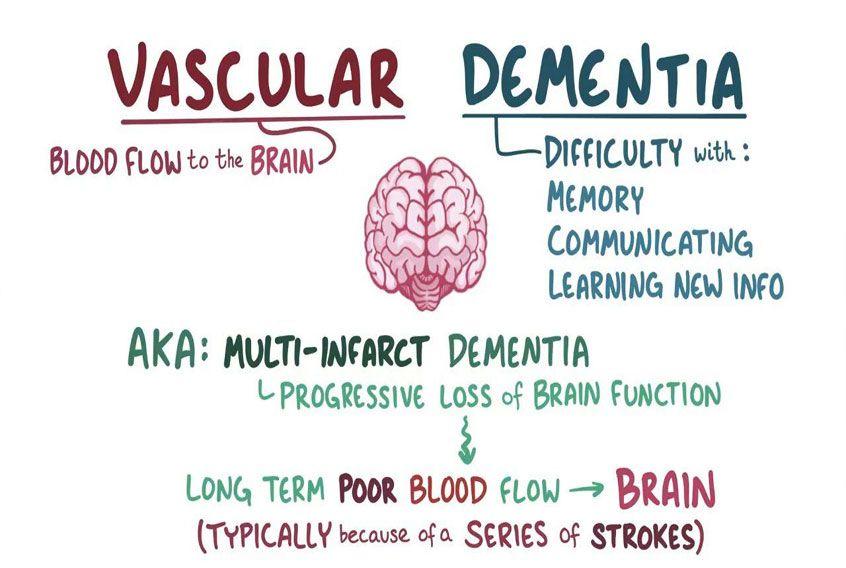
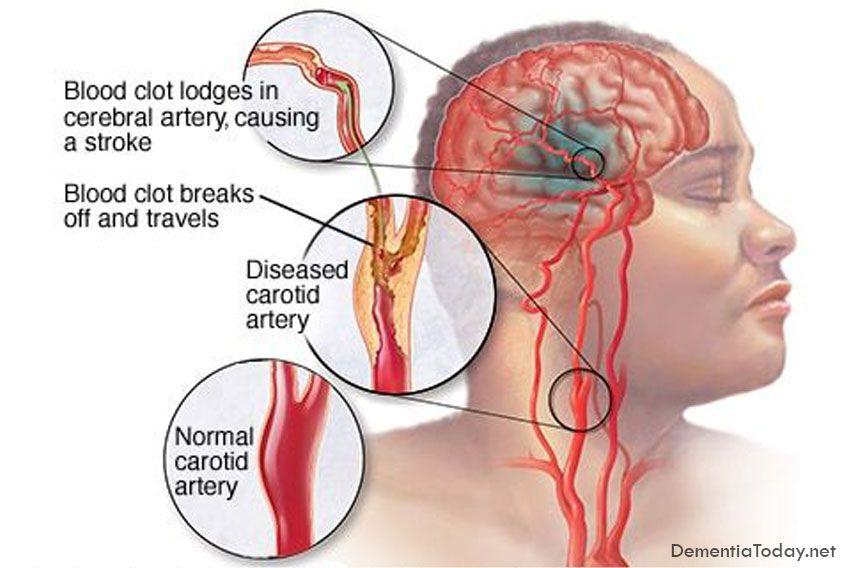
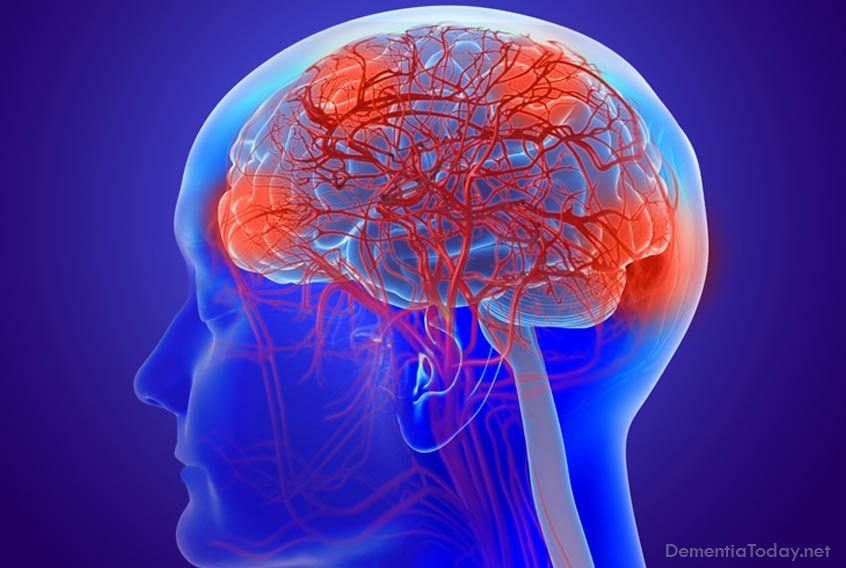
Vascular dementia is one of the most common forms of dementia, ranking only second to Alzheimer’s disease. Vascular dementia is caused by chronic, reduced blood flow to the brain-usually as the result of a stroke or series of strokes. In

14 min read

Lewy body dementia
Understanding Dementia

Lewy body dementia

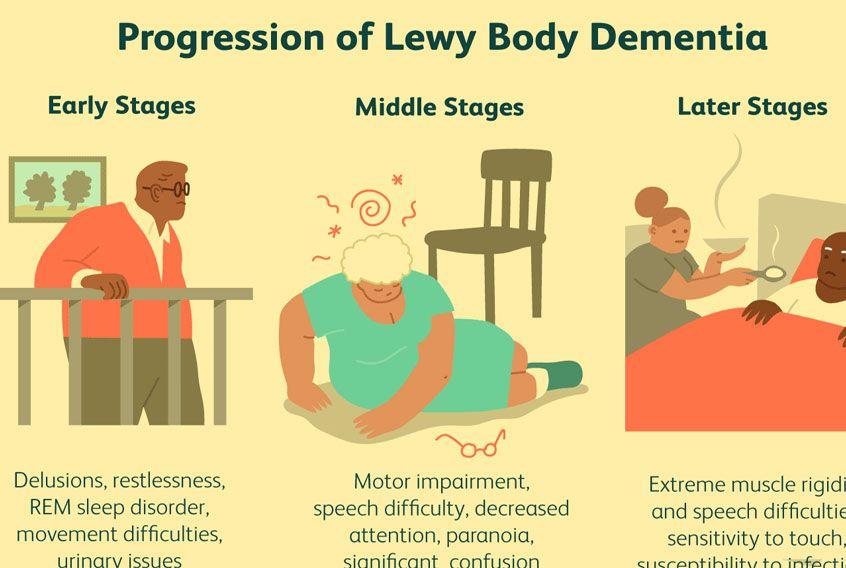
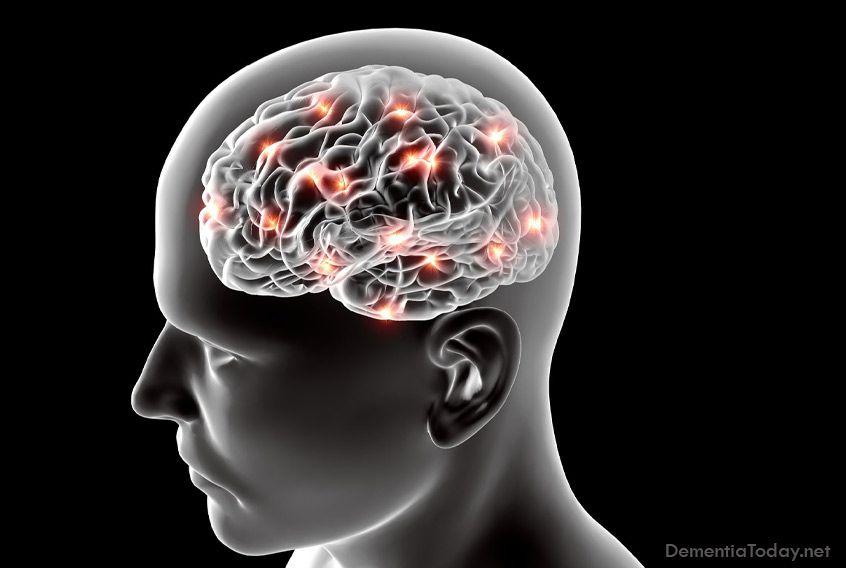
Definition Lewy body dementia, the second most common type of progressive dementia after Alzheimer’s disease, causes a progressive decline in mental abilities. It may also cause visual hallucinations, which may take the form of seeing shapes, colors, people or animals

13 min read

Alzheimer’s disease: Early biomarker defined
Alzheimer's Disease

Alzheimer’s disease: Early biomarker defined

A multicenter study led by Christian Haass and Michael Ewers of Ludwig-Maximilians-Universitaet (LMU) in Munich has identified a biomarker associated with the activation of an innate immune response to neural damage during early stages of Alzheimer’s disease. Alzheimer’s disease results

4 min read

Worried about memory changes?

Normal aging, or an early warning sign?

Ten common changes, each set beside what is typical with age. Tick what you have noticed and see what to do next.

Open the 10-sign checklist

Getting help

Sudden changes are not just the dementia.

Dementia usually changes slowly. A sharp change over hours or days can mean an infection, delirium, a stroke or a medication problem, and needs a doctor the same day. Call 911 or your local emergency number if you see any of these:

  • Confusion that comes on suddenly, over hours or days
  • Face drooping, arm weakness or slurred speech
  • A fall, a head injury or new severe pain
  • Very drowsy or hard to wake

The free Alzheimer’s Association Helpline answers questions about memory loss, diagnosis and caregiving, day and night, in more than 200 languages (US).

If someone with dementia is missing

  1. STEP 115 minSearch close by firstCheck the house, garden, car and the places the person often walks to. Don’t spend longer than about 15 minutes.
  2. STEP 2911Then call for helpTell the operator the person has dementia and is a vulnerable adult. Police treat this as urgent.
  3. STEP 3PhotoHave details readyA recent photo, what they were wearing, medical conditions and places they used to live or work.

Based on Alzheimer’s Association guidance on wandering. Outside the US, call your local emergency number.